

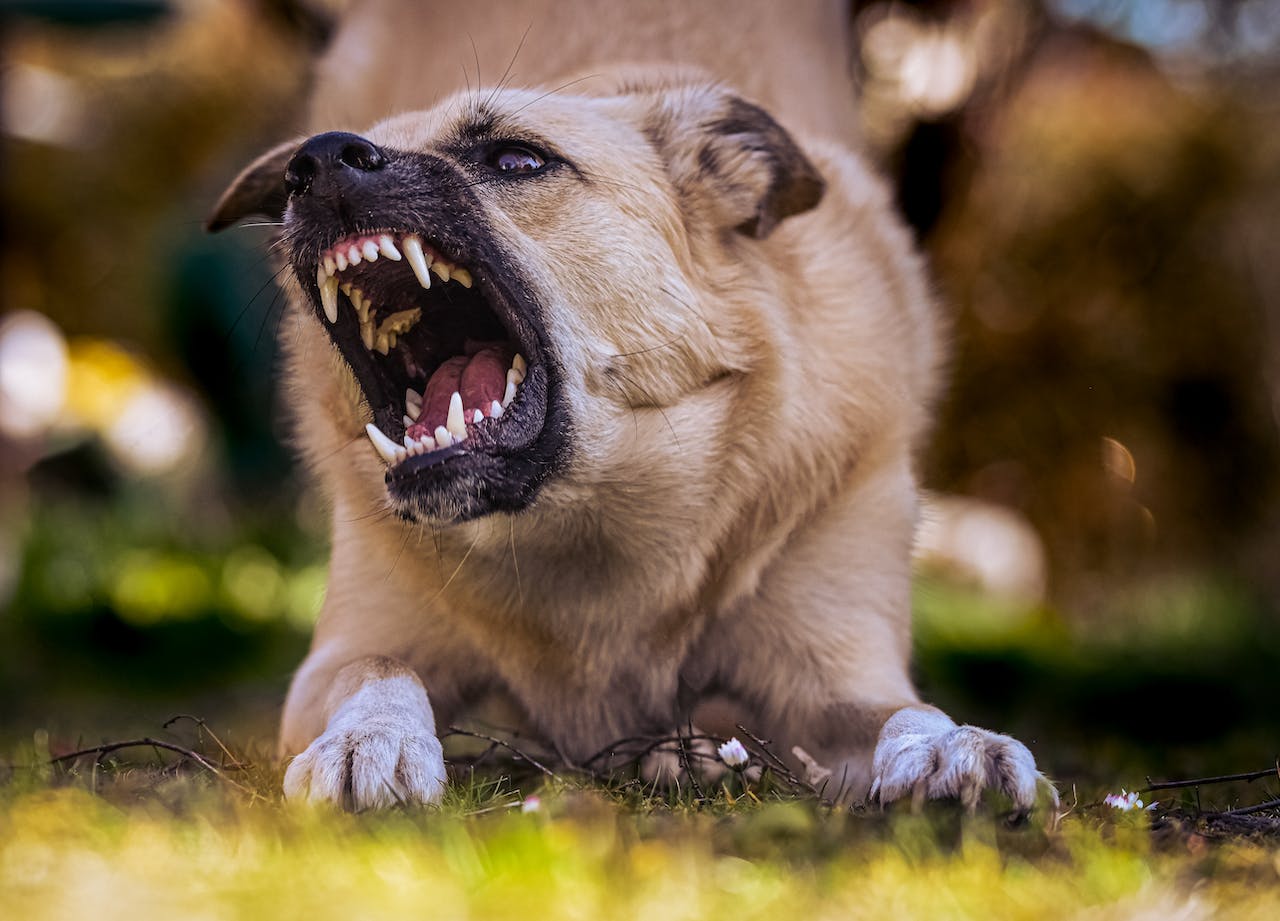
12 most dangerous dog breeds
https://weloveourfurryfriends.com/wp-content/uploads/2023/12/Most-Dangerous-Dog-Breeds-1024x737.jpg 1024 737 We Love Our Furry Friends We Love Our Furry Friends https://weloveourfurryfriends.com/wp-content/uploads/2023/12/Most-Dangerous-Dog-Breeds-1024x737.jpgSearch for the most dangerous dog breeds, and you will find plenty of rankings. The reality is more complicated.
No universally accepted scientific ranking of dog breeds exists from most to least dangerous. Any dog can bite, and behaviour varies considerably between individual dogs. Training, socialisation, environment, health, previous experiences and the way a dog is handled can all influence behaviour.
Breed still matters when choosing a dog, though. Some breeds are exceptionally large and powerful, while others were developed for guarding, protection, hunting or demanding working roles. If one of these dogs becomes aggressive or is poorly controlled, its physical strength can make an incident more serious.
With that distinction in mind, here are 12 breeds and dog types frequently associated with greater handling or ownership considerations.
1. Pit Bull-Type Dogs
“Pit bull” is often used as an umbrella term rather than the name of one specific breed. Dogs described this way may include American Pit Bull Terriers, American Staffordshire Terriers and similar-looking mixes.
These dogs can be muscular, athletic and extremely strong for their size. Individual temperament varies widely, so appearance alone should never be treated as proof that a dog is aggressive.
Owners should prioritise early socialisation, consistent training, secure containment and appropriate supervision around people and other animals.
2. Rottweiler
Rottweilers are large working dogs with a long history of herding, guarding and protection work. They are intelligent, physically powerful and often highly devoted to their families.
Their confidence and natural protective instincts make responsible ownership particularly important. A well-trained Rottweiler can be a stable companion, but its size and strength mean that poor training or uncontrolled territorial behaviour can create significant safety concerns.
3. German Shepherd
German Shepherds are widely used in police, military, protection and service work because of their intelligence, athleticism and trainability.
They can also be naturally watchful and protective. Without sufficient exercise, socialisation and training, those qualities may become difficult for an inexperienced owner to manage.
German Shepherds generally do best when given clear boundaries, regular activity and plenty of mental stimulation.
4. Presa Canario
The Presa Canario is a large, muscular dog originally associated with livestock work and guarding in the Canary Islands.
It is typically confident, alert and physically imposing. Its combination of strength and guarding instinct means this is a breed that requires knowledgeable handling.
Early socialisation is especially important so the dog learns how to respond appropriately to unfamiliar people, animals and environments.
5. Cane Corso
The Cane Corso is an Italian mastiff traditionally used as a guardian and working dog. Adults are large, athletic and powerful.
Cane Corsos tend to be attentive to their surroundings and can be protective of their homes and families. These qualities can be valuable in the right environment but challenging without consistent training.
Owners need to be comfortable managing a large dog and should establish good behaviour before the dog reaches full adult size.
6. Doberman Pinscher
Doberman Pinschers were developed with protection work in mind. They are athletic, intelligent, alert and usually form strong relationships with their owners.
Their intelligence makes them highly trainable, but they also need regular exercise and mental engagement. Early exposure to different people, dogs and situations can help prevent excessive fearfulness or inappropriate protective behaviour.
7. Akita
The Akita is a powerful Japanese breed known for independence, loyalty and confidence.
Akitas can be reserved around unfamiliar people and may not always be tolerant of other dogs. Their independent nature also means that training can require patience and consistency.
Prospective owners should understand the breed’s temperament rather than choosing an Akita solely because of its appearance.
8. Chow Chow
With its thick coat and distinctive appearance, the Chow Chow may not immediately resemble a typical guard dog. However, the breed is known for being independent and sometimes reserved around strangers.
Chows may prefer personal space rather than constant interaction. Socialisation from puppyhood can help them become comfortable with everyday situations without forcing unwanted interactions.
Understanding and respecting the dog’s body language is particularly important.
9. Bullmastiff
Bullmastiffs were developed in Britain to help guard large estates. Their heritage produced a dog with considerable size, strength and watchfulness.
Modern Bullmastiffs can be affectionate family companions, but an adult is powerful enough to be difficult to control without proper training.
Owners should teach leash manners and basic obedience early rather than waiting until the dog reaches full size.
10. Dogo Argentino
The Dogo Argentino was developed in Argentina as a powerful hunting dog capable of pursuing large game.
It is athletic, muscular and can have a strong prey drive. This combination requires an owner who understands training, management and safe introductions to other animals.
Exercise is important, but mental stimulation and impulse-control training are equally valuable.
11. Alaskan Malamute
Alaskan Malamutes were developed to haul heavy loads in demanding Arctic conditions. They are powerful dogs with considerable endurance and an independent streak.
Malamutes are not automatically aggressive, but their size, energy and strength can make them challenging for inexperienced owners. Some may also have strong prey instincts around smaller animals.
Secure fencing, exercise and consistent training are important parts of responsible Malamute ownership.
12. Siberian Husky
Siberian Huskies were bred as endurance sledge dogs. They are energetic, athletic and often highly independent.
Huskies are generally known for being social rather than traditional guard dogs, but they can still be difficult to manage when their physical and mental needs are not met. Their prey drive, ability to escape poorly secured gardens and desire to run can create different types of safety risks.
They need substantial exercise, secure containment and owners prepared for an active dog.
Does Breed Determine Whether a Dog Is Dangerous?
No. Breed can provide useful information about characteristics such as typical size, strength, energy, guarding tendencies and historical working purpose, but it cannot tell you exactly how an individual dog will behave.
Aggression can be influenced by fear, pain, inadequate socialisation, previous experiences, resource guarding, environment and handling. Even dogs from breeds considered friendly can bite under certain circumstances.
This is why evaluating the individual dog is more useful than assuming that every member of a particular breed has the same temperament.
What Can Make a Dog More Dangerous?
Instead of looking at breed alone, pay attention to the dog’s behaviour and the environment.
Warning signs may include repeated growling or snapping, intense resource guarding, uncontrolled lunging, severe fear responses or a previous history of biting. Owners should also consider whether they can physically control their dog and provide the exercise, training and supervision it needs.
Sudden behavioural changes deserve particular attention because pain or illness can sometimes affect how a dog responds to handling.
If you are concerned about aggressive behaviour, speak to your veterinarian and seek help from a qualified canine behaviour professional.
How to Reduce the Risk of Dog Bites
Most interactions with dogs are harmless, but sensible precautions benefit both people and pets.
Always ask an owner’s permission before touching an unfamiliar dog. Avoid disturbing dogs that are eating, sleeping or caring for puppies, and give a dog space if it appears frightened or uncomfortable.
Young children should be supervised around dogs, including familiar family pets. Dog owners should also use appropriate leashes or secure fencing, provide early socialisation and address concerning behaviour before it becomes more serious.
Are These Really the 12 Most Dangerous Dog Breeds?
There is no scientifically definitive list of the 12 most dangerous dog breeds.
The breeds above are better understood as examples of dogs whose size, strength, working history, prey drive, independence or protective tendencies can require experienced and responsible handling. Those characteristics do not mean an individual dog will be aggressive.
A Rottweiler, Pit Bull-type dog, German Shepherd or any other powerful breed can be a loving and well-adjusted companion. Likewise, a dog of a breed considered gentle can still bite.
The safest approach is therefore not to judge a dog by its breed alone. Learn about the breed, understand the individual dog’s behaviour, provide appropriate training and socialisation, and choose a dog whose needs realistically match your experience and lifestyle.
