


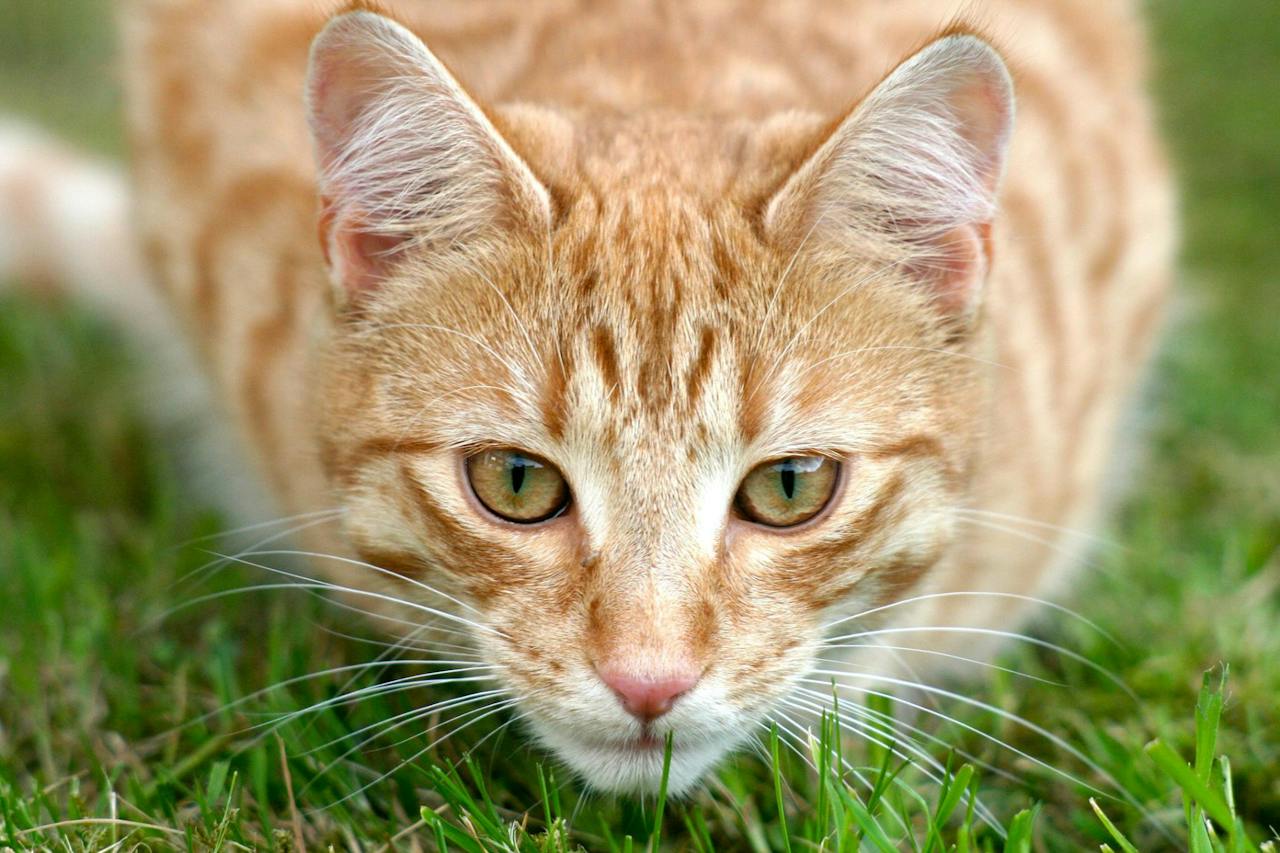
Why do cats eat grass?
https://weloveourfurryfriends.com/wp-content/uploads/2023/12/Why-Do-Cats-Eat-Grass-1024x682.jpg 1024 682 We Love Our Furry Friends We Love Our Furry Friends https://weloveourfurryfriends.com/wp-content/uploads/2023/12/Why-Do-Cats-Eat-Grass-1024x682.jpgCuriosity piqued, cat owners often wonder, “Why do cats eat grass?” Understanding this feline quirk is pivotal. Our cats communicate through behaviour, and decoding this green inclination enhances our role as responsible and attentive pet parents. In this comprehensive guide, we’ll unravel the mysteries behind your cat’s grassy cravings, address common queries, and shed light on the intriguing world of feline habits. Join us as we explore the fascinating reasons behind your feline friend’s seemingly odd dietary choices.
The Natural Instinct: Why Cats Eat Grass
Ever caught your cat munching on grass and wondered, “What’s the deal?” It’s no oddity; it’s instinct. Cats, descendants of wild hunters, have an innate urge to explore different textures, tastes, and yes, even vegetation. While they don’t need it for nutrition, grass offers a sensory experience, from the cool touch on their tongues to the satisfying crunch. This behaviour harks back to their wild ancestors, who occasionally ingested plants for a well-rounded diet. So, the next time you spot your furball having a little green snack, rest assured—it’s just their way of connecting with their wild side.
Should I let my cat eat grass?
You are wondering if your cat’s grassy snack is a cause for concern. Fret not—most often, it’s perfectly fine and even beneficial! Cats, both indoor and outdoor, may indulge in a bit of grass nibbling. It’s a natural behaviour that can provide them with certain vitamins and aid in digestion.
However, a word of caution: Ensure the grass your cat has access to is free from pesticides or harmful chemicals. If you’re creating a cat-friendly outdoor space, consider planting cat grass or catnip, safe alternatives that your feline friend can enjoy without any worries.
For indoor cats, you can purchase cat grass from pet stores. These grass varieties are specifically cultivated for feline consumption, providing a safe and enjoyable experience. Always keep an eye on your cat to ensure they don’t consume excessive amounts or show any signs of discomfort.
In essence, letting your cat eat grass is generally fine, adding a touch of nature to their routine. Just make sure it’s a safe and controlled environment for your curious companion to indulge in their natural instincts.
The Connection Between Grass Eating and Cat Health
Ah, the age-old question: Is my cat scarfing down grass a sign of trouble? Not necessarily! Let’s unravel the mystery.
Contrary to popular belief, cats don’t exclusively eat grass when they’re ill. It’s a behaviour deeply rooted in their instincts. However, it’s crucial to pay attention to the frequency and any accompanying signs.
One common myth is that cats eat grass to induce vomiting. While it’s true that some may vomit after munching on grass, it’s not always intentional. Cats lack the digestive enzymes to break down grass effectively, so it often comes back up. This can help clear hairballs or other indigestible matter.
Now, about the worry of worms—eating grass isn’t a direct indicator of a worm problem. While some cats may nibble when they have an upset stomach due to worms, it’s not a foolproof diagnostic sign. If you’re concerned, consulting with a vet is the best way to rule out health issues.
So, next time you catch your cat having a grassy feast, take a breath. It’s likely just a normal part of their routine. However, if you notice a sudden change in behaviour or persistent vomiting, it’s always wise to seek professional advice to ensure your furball stays in top-notch health.
Decoding the Obsession: Why Is My Cat So Into Eating Grass?
Ever caught your feline friend having a full-on grass feast and wondered, “What’s the obsession, whiskers?” Fear not—it’s a quirky cat thing!
Firstly, consider it a bit like kitty salad time. Cats, the connoisseurs of textures, find the experience of chewing on grass oddly satisfying. It’s like their version of a crunchy snack. And who can blame them? Grass provides a sensory delight, from the cool, dewy touch to the audible crunch under those tiny teeth.
Now, let’s talk about behaviour. Some cats become grass enthusiasts due to boredom or stress. It’s their way of spicing up the day or coping with a bit of kitty anxiety. If you suspect stress, try enriching their environment with toys, scratching posts, or interactive play to divert their attention.
However, if your feline friend’s grassy indulgence seems a tad excessive, it’s worth keeping an eye on. Excessive grass eating, especially if it leads to vomiting or other discomfort, might signal an underlying issue. Sometimes, it’s a matter of finding a balance between letting them enjoy their green snacks and ensuring it doesn’t become an obsession.
Remember, every cat is unique. So, if your furball is a grass gourmet, embrace the quirkiness. But if you sense something’s amiss, a bit of detective work and maybe a vet visit can ensure your kitty continues to live their best, grassy life.
Grass Eating and Digestive Benefits
Let’s dive into the fascinating world of cat digestion and the role that grass plays in keeping those whiskers in top-notch shape!
Ever wondered why your cat treats your lawn like their personal salad bar? It turns out that grass can be a secret weapon in a cat’s digestive arsenal. While cats are obligate carnivores, meaning meat is the primary component of their diet, a bit of greenery can aid in various ways.
Firstly, let’s talk about hairballs—those pesky, cylindrical fur masses that cats often gift us. Cats groom themselves fastidiously, and loose fur can end up in their stomachs. Grass acts as a natural laxative, helping these hairballs smoothly exit the digestive system. So, that little munch on the lawn might just be your cat’s ingenious way of maintaining their impeccable coat.
Additionally, the act of munching on grass can also trigger regurgitation. While it might sound less than pleasant, it’s a cat’s way of getting rid of indigestible matter, whether it’s hair or anything else that doesn’t agree with their stomach.
However, it’s essential to maintain balance. While grass can offer digestive benefits, excessive consumption leading to frequent vomiting could indicate a need for moderation.
So, the next time you witness your feline friend nibbling on grass, appreciate the natural wisdom behind it. It’s not just a quirky behaviour; it’s their way of staying sleek, healthy, and maintaining that impeccable feline grace. Cheers to your cat’s grassy gastronomic adventures!
Addressing Common Concerns: FAQs from Cat Owners
Let’s embark on a feline Q&A session, tackling the burning questions that keep cat owners awake at night.
Do cats eat grass when they have worms?
The grass buffet isn’t a surefire sign of worms. While some cats may nibble when their stomach feels off, it’s not a diagnostic guarantee. Regular vet check-ups help rule out any underlying health concerns.
Why are cats sick after eating grass?
Ah, the age-old mystery of post-grass munching regurgitation! Cats lack the enzymes to digest grass effectively, often resulting in a little “gift.” It’s usually harmless, and it might even help with hairball control.
Why are my cats eating grass?
Ah, the million-dollar question! Cats indulge in grassy delights for various reasons—biological instincts, the joy of a crunchy snack, or simply to break the monotony of their day. It’s a natural, quirky behaviour that makes each cat unique.
Navigating the feline world is a blend of science and art. While certain behaviours may raise an eyebrow, understanding the nuances helps foster a stronger connection with our whiskered companions. If in doubt, a vet visit is never a bad idea. Cheers to the perplexing, endearing world of cats!
Practical Tips for Cat Owners
Now that we’ve unravelled the mysteries behind your cat’s grassy adventures, let’s delve into practical tips to ensure both safety and enjoyment.
Creating a Cat-Friendly Outdoor Space:
Transform your backyard into a feline haven! Plant cat-safe grass varieties or set up a designated area with pet-friendly plants. Ensure the space is free from harmful pesticides and chemicals to make it a safe grazing zone.
Indoor Delights:
For our indoor companions, consider purchasing cat grass or catnip from pet stores. These specially cultivated varieties are tailored for feline enjoyment. Place them in accessible areas, turning your home into a green paradise minus the potential hazards.
Monitor Grass Consumption:
Keep a keen eye on your cat’s grassy endeavours. While occasional nibbling is normal, excessive consumption or signs of discomfort may warrant attention. Remember, moderation is key to balancing the joy of grassy indulgence with overall well-being.
Vet Check-Ups:
Regular veterinary check-ups are a cat owner’s best friend. If you ever find yourself puzzled by your cat’s behaviour or have concerns about their health, a professional opinion can provide reassurance and guidance tailored to your furball’s unique needs.
Interactive Enrichment:
Combat boredom and stress—the potential reasons behind excessive grass-eating—with interactive toys and play. Engaging your cat in activities that stimulate their senses can redirect their attention, ensuring a happy and fulfilled feline friend.
Embrace the delightful quirks of your furry companion, and with a bit of thoughtful planning, you can create an environment that nurtures their natural instincts while keeping them safe and content. Here’s to happy cats and their grassy adventures!
As we wrap up our journey into the enigmatic world of cats and their green cravings, let’s recap the key takeaways and celebrate the unique bond we share with our feline friends.
Understanding why cats eat grass is akin to deciphering a delightful puzzle. It’s not just about biology; it’s about tapping into the essence of what makes our whiskered companions so wonderfully complex and endearing. From the joyous crunch of a grassy snack to the quirky habits that define their individuality, every cat has a story to tell.
Remember, if you’ve ever caught your cat in the act, munching away with those curious eyes, it’s likely just their way of embracing their wild side or enjoying a satisfying sensory experience. While occasional grass nibbling is generally harmless, being attuned to your cat’s behaviour and health is key.
In the grand tapestry of cat ownership, each feline friend adds a unique thread. Whether they’re casual grazers, grass connoisseurs, or playful pouncers on greenery, it’s all part of the delightful journey of sharing our lives with these marvellous creatures.
So, here’s to the whimsical world of cats and their grassy escapades! May your home be filled with the joyous sounds of content purrs, the gentle rustle of leaves, and the occasional, endearing munching of your furball’s favourite greens. Cheers to the mystery, the quirks, and the boundless love that cats bring into our lives.

