


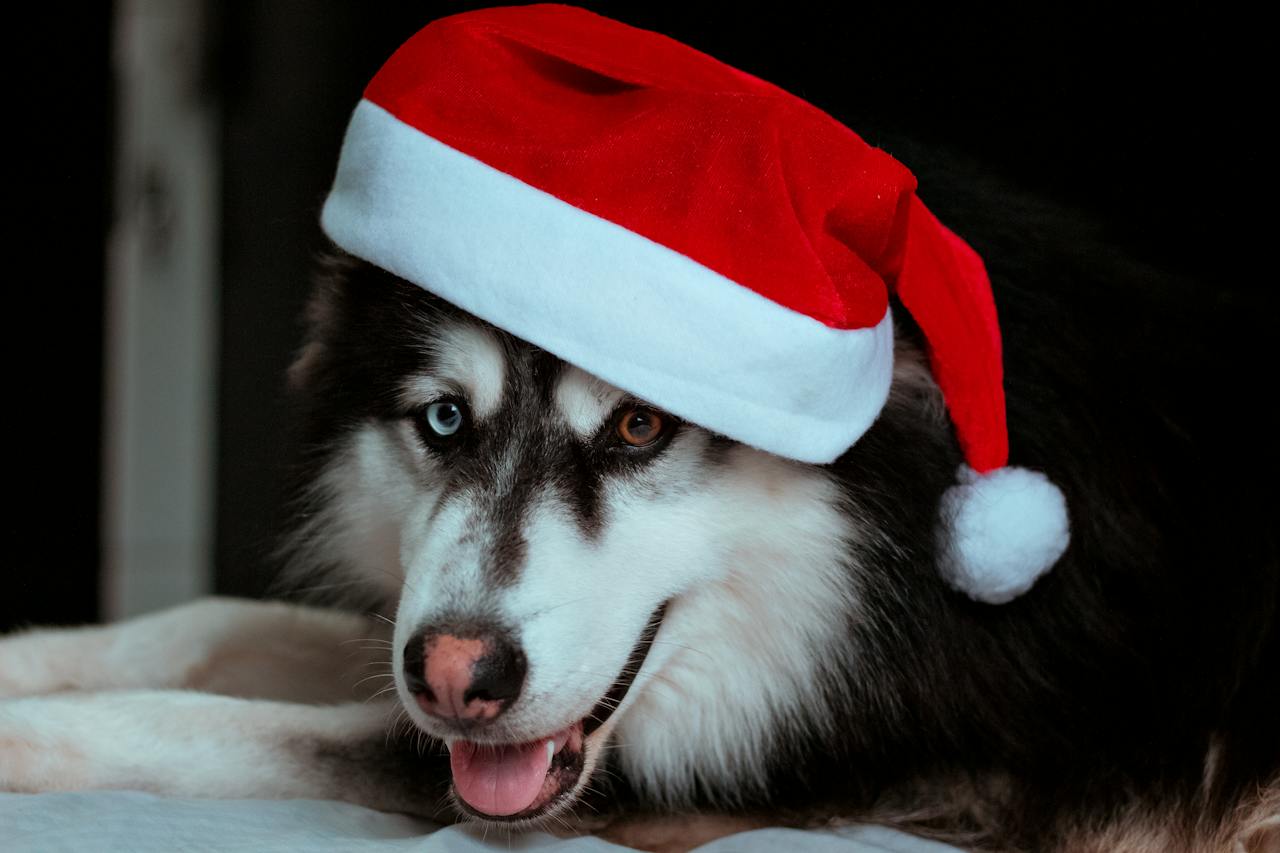
Dog gifts for Christmas
https://weloveourfurryfriends.com/wp-content/uploads/2023/12/Dog-gifts-for-Christmas-1024x682.jpg 1024 682 We Love Our Furry Friends We Love Our Furry Friends https://weloveourfurryfriends.com/wp-content/uploads/2023/12/Dog-gifts-for-Christmas-1024x682.jpgAre you looking for the perfect Christmas gift for your dog?
The best present doesn’t have to be expensive, personalised or covered in festive decorations. It should be something that suits your dog’s size, age, personality and favourite activities.
For one dog, that might be a durable chew toy. For another, it’s a new bed, a food puzzle or simply an extra-long sniffing walk with their favourite person.
Here are 15 Christmas gift ideas for dogs, along with tips for choosing something they’ll enjoy safely.
1. An Interactive Food Puzzle
If your dog loves food, turn part of mealtime into an activity.
Food puzzles encourage dogs to work out how to access kibble or treats by moving, nudging or manipulating different parts of the toy.
They’re particularly useful for dogs that enjoy problem-solving.
Start with something relatively simple if your dog has never used a puzzle before. A puzzle that’s too difficult may cause frustration rather than enrichment.
You can gradually increase the challenge as your dog learns how it works.
Good for: Food-motivated dogs and dogs that enjoy problem-solving.
2. A Treat-Dispensing Toy
A treat-dispensing toy combines food with play.
Depending on the design, your dog may need to roll, push, lick or manipulate the toy to release the food inside.
You can even use part of your dog’s normal meal rather than constantly adding extra treats.
That’s particularly useful because Christmas can easily become a season of overfeeding.
Good for: Dogs that eat quickly or enjoy working for food.
3. A Durable Chew Toy
For a dog that loves chewing, a suitable chew toy can be one of the most practical Christmas presents.
But “indestructible” shouldn’t be taken literally.
Dogs vary enormously in chewing strength, so any toy can potentially become damaged.
Choose a toy appropriate for your dog’s:
- Size
- Age
- Chewing style
- Jaw strength
Check it regularly and remove it when pieces begin breaking away, or it becomes small enough to swallow.
Extremely hard chews also aren’t necessarily better. Objects that are harder than a dog’s teeth can potentially cause dental injuries.
Good for: Dogs with a strong natural desire to chew.
4. A Snuffle Mat
A snuffle mat hides pieces of food among strips or folds of fabric, so your dog has to search using its nose.
Foraging can turn a handful of kibble into a longer activity.
You can also create simple scent-searching games around your home without buying anything.
Hide small pieces of your dog’s regular food in safe, accessible locations and encourage your dog to find them.
Good for: Dogs that love sniffing and searching.
5. A New Ball or Fetch Toy
Sometimes the obvious Christmas present is the right one.
If your dog loves fetch, replace an old, worn ball with a new one that’s appropriately sized.
Avoid balls small enough to become lodged in your dog’s throat.
Also remember that not every dog wants endless high-speed fetching. Age, fitness, joint health and individual enthusiasm should determine how intense play becomes.
Good for: Active dogs that genuinely enjoy retrieving.
6. A Comfortable New Dog Bed
Not every present needs to encourage activity.
A comfortable bed can be an excellent gift, particularly for an older dog or one that spends plenty of time relaxing.
Consider:
- Your dog’s sleeping position
- Body size
- How easily the cover can be cleaned
- Whether your dog gets hot or cold easily
- Mobility or joint problems
Senior dogs and dogs with mobility problems may benefit from supportive bedding that’s simple to step onto and get off.
A bed is only useful if your dog actually likes sleeping on it, so consider their existing preferences rather than choosing solely on appearance.
Good for: Senior dogs, sleepy dogs and dogs whose existing bed has seen better days.
7. A Cosy Blanket
If your dog already has a good bed, a washable blanket can be a simpler comfort gift.
It can also be useful in the car, on furniture or when travelling.
If your dog chews or swallows fabric, don’t leave them unsupervised with blankets they might destroy.
Good for: Dogs that love curling up somewhere warm and comfortable.
8. Healthy Christmas Treats
Christmas treats don’t have to mean sharing your Christmas dinner.
Choose treats specifically appropriate for dogs and account for them within your dog’s overall diet.
The World Small Animal Veterinary Association recommends that treats make up no more than about 10% of a dog’s daily calories, with the majority coming from a complete and balanced diet.
For dogs on therapeutic diets or with conditions such as obesity, diabetes, food allergies or gastrointestinal disease, ask your veterinarian which treats are appropriate.
Good for: Almost any dog, provided the treat suits its dietary needs.
9. A New Harness or Lead
Christmas can also be an opportunity to replace worn everyday equipment.
A properly fitted harness or lead may be more useful than a novelty present your dog ignores after five minutes.
Check existing equipment for:
- Frayed material
- Damaged clips
- Loose stitching
- Poor fit
- Areas rubbing against the skin
A harness should fit securely without restricting normal movement.
Good for: Dogs whose walking equipment needs replacing or upgrading.
10. A Warm Dog Coat
A coat isn’t necessary for every dog.
Dogs with thick coats may be perfectly comfortable without one in relatively mild weather, while small, shorthaired, elderly or medically vulnerable dogs may benefit from additional protection in cold conditions.
Choose function before fashion.
A coat should allow your dog to walk and toilet normally without rubbing, restricting movement or causing overheating.
If your dog appears uncomfortable wearing clothing, a Christmas photo isn’t a good enough reason to force it.
Good for: Dogs that genuinely benefit from extra warmth.
11. Grooming Supplies
A new brush, comb or other appropriate grooming tool can be a practical present—although your dog may not consider it quite as exciting as the treat jar.
Choose tools according to coat type rather than buying a generic grooming set.
Long, curly, double and short coats have different maintenance requirements.
Regular grooming can also give you an opportunity to notice changes such as lumps, skin irritation, parasites or painful areas that deserve attention.
Good for: Long-haired, curly-coated and frequently groomed dogs.
12. A New ID Tag
This may not produce the biggest tail wag on Christmas morning, but it’s one of the most useful gifts on this list.
Make sure your dog’s identification details are current.
An ID tag can provide an immediate way for someone to contact you if your dog gets lost.
Where microchipping is available or required, keep the associated registration and contact information current too.
Personalisation is useful when it serves a purpose—not simply because something has your dog’s name printed on it.
Good for: Every dog that needs updated identification.
13. A Scent-Work Game
You don’t necessarily have to buy your dog’s Christmas present.
One of the best gifts may be an activity.
Create a simple scent game by hiding pieces of food or a favourite toy in a safe area and encouraging your dog to search for them.
Start easy.
Once your dog understands the game, gradually make the hiding places more challenging.
Sniffing allows dogs to use one of their most important senses and can turn an ordinary afternoon into an engaging activity.
Good for: Curious dogs and owners looking for inexpensive enrichment.
14. A Christmas Adventure
Your dog doesn’t understand how much you spent.
For some dogs, a carefully planned experience will be more exciting than another object.
Depending on your dog’s health, temperament and preferences, their Christmas gift could be:
- A longer sniffing walk
- A trip to a favourite trail
- A quiet outing somewhere new
- An extra play session
- A dog-friendly day trip
- One-on-one training time
Don’t assume every dog wants a busy outing.
A nervous dog may prefer a familiar walk and a quiet afternoon at home to a crowded dog-friendly Christmas event.
Good for: Dogs that value experiences and time with their people.
15. A Donation to a Dog Shelter or Rescue
What do you buy for a dog that already has everything?
You could make another dog’s Christmas better.
Consider donating food, bedding, toys, money or other requested supplies to a reputable shelter or rescue organisation in your dog’s honour.
Check the organisation’s wish list first rather than assuming what it needs.
You could even combine the idea: one present for your dog and one for a dog waiting for a home.
Good for: Dog lovers who want Christmas giving to extend beyond their pets.
Best Christmas Gifts for Puppies
Puppies don’t need mountains of toys.
A few carefully chosen items can be more useful.
Good options include:
- Appropriately sized chew toys
- Food puzzles designed for puppies
- Training treats
- A comfortable bed
- A suitable harness and lead
- Interactive toys
- Reward-based training sessions
Remember that puppies investigate the world with their mouths.
Supervise play and remove toys if they begin breaking into pieces that could be swallowed.
The best puppy present may also be time spent building useful skills through positive, reward-based training.
Best Christmas Gifts for Senior Dogs
A senior dog’s ideal Christmas may look very different from a puppy’s.
Consider comfort and accessibility.
Potential gifts include:
- Supportive bedding
- A warm blanket
- Gentle food puzzles
- Non-slip mats for slippery floors
- A comfortable harness
- Short scent games
- Gentle walks tailored to the dog’s abilities
Don’t assume slowing down is simply an unavoidable consequence of ageing.
Changes in mobility, appetite, behaviour, sleep or willingness to exercise can sometimes indicate health problems and are worth discussing with your veterinarian.
Christmas Gifts for Dogs That Have Everything
If your house already contains a mountain of dog toys, don’t buy another one simply because it’s Christmas.
Give your dog something less tangible.
Try a new sniffing route, teach a new trick, organise a treasure hunt using part of their meal or spend uninterrupted time doing an activity they enjoy.
Dogs don’t understand price tags.
A gift that provides interaction, enrichment or comfort can be more meaningful to them than an expensive gadget.
Are Homemade Dog Christmas Gifts Safe?
They can be, but homemade doesn’t automatically mean safe.
Be particularly careful with DIY toys made from:
- String
- Yarn
- Ribbon
- Small pieces of fabric
- Loose stuffing
- Buttons
- Plastic pieces
- Materials that easily splinter or break apart
Swallowed objects can cause choking or gastrointestinal obstruction.
If you make a toy yourself, consider how your individual dog plays with objects and supervise its use.
Homemade treats require similar care.
Use ingredients known to be safe for dogs, avoid unnecessary sugar and fat, and account for the treats within your dog’s normal diet.
Never assume a recipe is safe simply because it’s labelled “dog-friendly” online.
Christmas Foods Dogs Shouldn’t Receive as Gifts
Your dog may be extremely interested in Christmas dinner, but several festive foods can be dangerous.
Keep dogs away from foods containing:
- Chocolate
- Grapes or raisins
- Onions
- Garlic
- Xylitol
- Alcohol
The ASPCA’s guidance on people’s foods to avoid feeding pets provides additional information about potentially dangerous foods.
Also be cautious with rich, fatty leftovers and cooked bones.
If you believe your dog has eaten something potentially toxic, contact your veterinarian or an animal poison service promptly rather than waiting for symptoms.
How to Choose a Safe Christmas Gift for Your Dog
Before buying anything, ask four questions.
Is It the Right Size?
A toy that’s too small can become a choking or swallowing hazard.
Choose products designed for a dog of your pet’s approximate size and chewing behaviour.
Is It Suitable for How My Dog Plays?
One dog may gently carry a plush toy for years.
Another may remove its stuffing in three minutes.
The same gift isn’t equally suitable for both dogs.
Can Pieces Break Off?
Inspect toys regularly.
Loose pieces, exposed stuffing, damaged squeakers or broken sections are signs that it’s time to remove the toy.
Does My Dog Actually Enjoy It?
This question is easily forgotten.
Don’t buy a costume for a dog that hates wearing clothes or a complicated puzzle for a dog that becomes frustrated by it.
A Christmas gift should improve your dog’s experience—not simply produce a cute photograph.
What Is the Best Christmas Gift for a Dog?
There isn’t one.
The best gift depends on the individual dog.
For a chewer, it might be an appropriately sized durable toy.
For a food-motivated dog, try a puzzle feeder.
For an active dog, a new walking adventure may win.
For a senior dog, comfort may matter most.
For a puppy, safe toys and positive training experiences can be especially valuable.
And for the dog that already has more toys than it knows what to do with, the best present may simply be more time with you.
The Bottom Line
The best dog gifts for Christmas aren’t necessarily the most expensive.
Choose something that matches your dog’s size, age, health, personality and favourite activities.
Interactive toys can provide enrichment, suitable treats can make training and play more rewarding, comfortable bedding can benefit older dogs, and a simple scent game or special walk can cost almost nothing.
Whatever you choose, make sure safety comes first.
Check toys for damage, keep treats within your dog’s normal dietary limits, avoid dangerous human foods and don’t force your dog to wear or use something that makes them uncomfortable.
Your dog doesn’t know it’s Christmas—but they’ll certainly appreciate a day filled with safe activities, comfort and time with the people they trust.

