


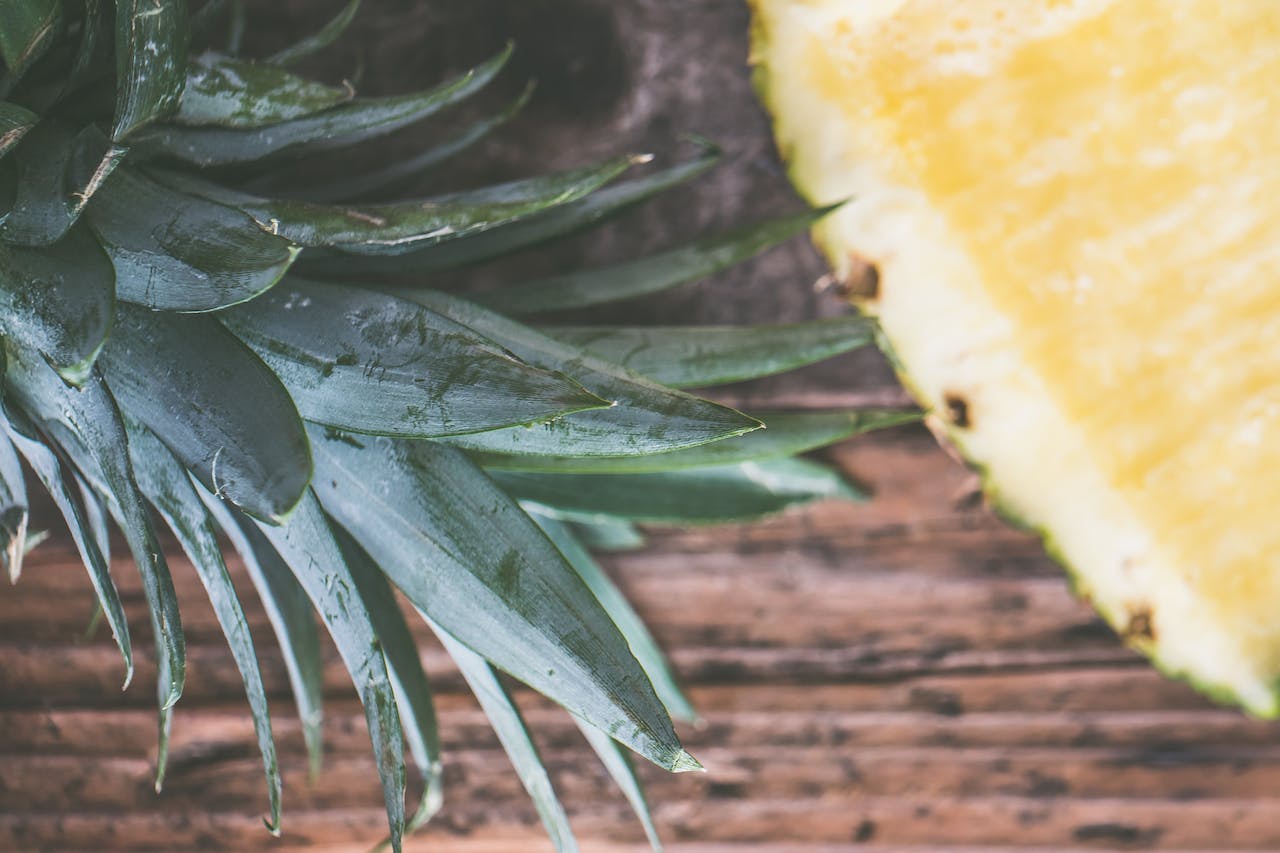
Can Dogs Eat Pineapple: Dog Nutrition Guide
https://weloveourfurryfriends.com/wp-content/uploads/2023/12/Can-Dogs-Eat-Pineapple-1024x682.jpg 1024 682 We Love Our Furry Friends We Love Our Furry Friends https://weloveourfurryfriends.com/wp-content/uploads/2023/12/Can-Dogs-Eat-Pineapple-1024x682.jpgYes, dogs can eat pineapple.
Small pieces of fresh, ripe pineapple flesh can be a safe occasional treat for many healthy dogs. Before sharing it, remove the tough skin, crown and hard core, and cut the flesh into bite-sized pieces.
Pineapple contains vitamins, minerals, and fibre, but your dog doesn’t need it to complete its diet. If your dog already eats complete and balanced dog food, think of pineapple as an occasional treat rather than a nutritional supplement.
Here’s how to serve it safely—and which forms of pineapple are better left off the menu.
Is Pineapple Safe for Dogs?
Fresh pineapple flesh is generally safe for dogs in small amounts.
The American Kennel Club recommends removing the skin and hard central core of the pineapple and serving only small pieces of raw fruit.
The fruit contains nutrients including:
- Vitamin C
- Vitamin B6
- Manganese
- Copper
- Potassium
- Magnesium
- Fibre
That doesn’t mean adding pineapple will automatically improve your dog’s health.
Dogs receiving complete and balanced food should already be getting the essential nutrients they require from their normal diet.
The better reason to give your dog pineapple is much simpler: your dog enjoys it, and you’re offering an appropriate amount as a treat.
How Much Pineapple Can a Dog Eat?
Start with one small piece.
If your dog tolerates pineapple without digestive problems, you can occasionally offer a few bite-sized pieces, with the appropriate amount depending on the dog’s size and overall diet.
Remember that pineapple contains natural sugar and calories.
The guidance from the World Small Animal Veterinary Association recommends keeping treats to no more than about 10% of a healthy dog’s daily calorie intake.
That 10% includes everything outside your dog’s normal diet—not 10% pineapple plus additional treats.
Your dog doesn’t need an entire pineapple ring or bowl of fruit to enjoy the taste.
How Should You Prepare Pineapple for Your Dog?
Keep it simple:
- Remove the leafy crown.
- Cut away the tough outer skin.
- Remove the hard central core.
- Cut the soft flesh into small pieces.
- Give your dog one piece initially.
- Watch for digestive problems before offering more.
Fresh, ripe pineapple is preferable because you know exactly what your dog is eating.
You can also freeze appropriately sized pieces of fresh pineapple for an occasional cold treat.
Don’t add sugar, syrup, seasoning or sweeteners.
Can Dogs Eat Pineapple Skin?
No. Don’t intentionally feed pineapple skin to your dog.
Although the skin isn’t the part people generally worry about because of a specific toxin, its tough, fibrous structure is difficult to digest.
The AKC warns that pineapple skin and the hard central core have the potential to cause intestinal obstruction.
Remove the entire outer skin before serving pineapple.
What If My Dog Ate Pineapple Skin?
A dog accidentally swallowing a tiny piece of pineapple skin doesn’t necessarily mean an intestinal blockage will occur.
However, the risk depends on factors such as:
- How much was swallowed
- The size of the pieces
- Your dog’s size
- Whether your dog chewed it
- Whether symptoms develop
Monitor your dog carefully.
Contact your veterinarian if your dog swallowed a substantial amount or develops vomiting, abdominal discomfort, loss of appetite, lethargy or difficulty passing stool.
If you’re uncertain, calling your veterinarian is preferable to waiting for severe symptoms.
Can Dogs Eat the Pineapple Core?
It’s better to remove it.
The core isn’t as soft as the surrounding flesh and can be difficult for a dog to chew and digest.
Large pieces may present a choking or gastrointestinal obstruction risk.
There’s no advantage to feeding it when the softer pineapple flesh can be served instead.
Remove the core and cut the remaining fruit into appropriately sized pieces.
Can Dogs Eat Canned Pineapple?
Fresh pineapple is the better choice.
Many canned pineapple products are packed in syrup or sweetened liquid, adding sugar your dog doesn’t need.
The AKC recommends avoiding canned pineapple because of the high sugar content commonly associated with the syrup.
Even products packed in juice aren’t necessary when plain fresh or frozen pineapple is readily available.
If you’re looking for an occasional fruit treat, keeping it simple reduces the number of unnecessary ingredients.
Can Dogs Drink Pineapple Juice?
I wouldn’t recommend pineapple juice as a regular dog treat.
Juice makes it easy to consume the fruit’s sugars without the same whole-fruit structure, and commercial pineapple drinks may contain added sugar or other ingredients.
Dogs don’t need fruit juice for hydration.
Fresh water should remain your dog’s normal drink.
If you want your dog to experience pineapple, a small piece of properly prepared fresh fruit is the simpler option.
Can Dogs Eat Frozen Pineapple?
Yes, provided you’re freezing plain fresh pineapple flesh.
Remove the skin and core and cut the pineapple into small pieces before freezing it.
Frozen pineapple can make an occasional warm-weather treat, but freezing doesn’t remove the fruit’s sugar or calories.
Portion limits still apply.
Avoid commercially prepared frozen pineapple desserts, ice creams or sweetened products unless you have checked every ingredient and know they’re appropriate for dogs.
Can Dogs Eat Dried Pineapple?
Fresh pineapple is generally preferable.
Removing water makes dried fruit much more concentrated, so it’s easy to feed considerably more sugar and calories in a small portion.
Some commercially dried pineapple also contains added sugar.
If you do consider a packaged pineapple product, read the entire ingredient list rather than assuming it’s suitable because pineapple itself is safe.
There’s no nutritional reason your dog needs dried pineapple.
Can Puppies Eat Pineapple?
A healthy puppy can generally try a tiny amount of fresh pineapple flesh.
The same preparation rules apply: remove the skin and core and cut the flesh into a small piece.
But puppies have important nutritional requirements while they’re growing.
Complete and balanced puppy food should provide the overwhelming majority of their nutrition, while extras such as fruit remain occasional treats.
If your puppy has digestive problems, is very young or follows a veterinarian-recommended diet, ask your veterinarian before introducing unfamiliar foods.
Is Pineapple Good for Dogs?
Pineapple contains useful nutrients, but “good for dogs” can be misleading if it implies dogs need to eat it for better health.
Your dog’s complete food should already supply its essential nutritional requirements.
Pineapple is better described as a dog-safe fruit that can be enjoyed occasionally when thoroughly prepared.
That distinction matters.
You don’t need to add pineapple to your dog’s meals to improve their immune system, digestion or general health.
And if your dog doesn’t like pineapple, there’s no nutritional reason to persuade them to eat it.
Can Pineapple Upset a Dog’s Stomach?
Yes.
Pineapple contains fibre and natural sugar, but eating too much can cause digestive problems.
Watch for:
- Loose stool
- Diarrhoea
- Gas
- Vomiting
- Abdominal discomfort
When introducing pineapple, give your dog one small piece rather than several.
If pineapple repeatedly causes digestive problems, stop offering it.
A treat isn’t beneficial if your dog’s digestive system doesn’t tolerate it.
Does Pineapple Stop Dogs From Eating Poop?
You may have heard that feeding pineapple can stop coprophagia—the behaviour of eating faeces—because it supposedly makes stools taste unpleasant.
Don’t rely on pineapple as a treatment for this behaviour.
Dogs may eat faeces for several reasons, and persistent coprophagia is best addressed by considering the dog’s environment, access to faeces, behaviour, and possible medical contributors.
Practical management—such as promptly removing stools—is generally more useful than adding pineapple to every meal.
If the behaviour appears suddenly, is persistent or is accompanied by other changes in appetite, weight or health, discuss it with your veterinarian.
Can Dogs Eat Pineapple Pizza?
The pineapple itself isn’t necessarily the problem.
Pizza combines multiple other ingredients that may be inappropriate for dogs, including high levels of fat and salt.
More importantly, pizza sauces and toppings may contain onion or garlic, which dogs shouldn’t eat.
The ASPCA lists onions, garlic and related Allium species among foods that can be dangerous to pets.
If you want to share pineapple, take a plain piece of fresh fruit rather than giving your dog a piece from your pizza.
Should Some Dogs Avoid Pineapple?
Not every dog needs the same dietary rules.
Speak with your veterinarian before regularly offering pineapple to your dog if your dog:
- Has diabetes
- Is overweight or on a weight-loss programme
- Has a sensitive gastrointestinal system
- Has food intolerances
- Follows a prescription or therapeutic diet
- Has another medical condition affected by diet
A food being generally safe for healthy dogs doesn’t automatically make it appropriate for every individual dog.
What Other Fruits Can Dogs Eat?
If your dog doesn’t enjoy pineapple, there are other fruits that many dogs can eat when appropriately prepared.
Options can include:
- Blueberries
- Strawberries
- Bananas
- Apples with the seeds and core removed
- Seedless watermelon without the rind
- Oranges in small amounts
But never assume that all fruit is safe simply because one fruit is.
Grapes, raisins, currants and sultanas should not be given to dogs.
The WSAVA’s treat-safety guidance identifies these among foods that can be toxic to dogs.
Research an unfamiliar food before sharing it.
When Should You Contact Your Veterinarian?
Eating a few properly prepared pieces of pineapple generally isn’t a reason to call the veterinarian.
Seek veterinary advice if your dog:
- Swallows a large amount of pineapple skin or core
- Develops repeated vomiting or diarrhoea
- Appears to have abdominal pain
- Becomes unusually lethargic
- Stops eating
- Has difficulty passing stool
- Eats a pineapple-containing product with potentially unsafe ingredients
You should also get individual advice before regularly introducing new treats if your dog has an existing medical condition.
The Bottom Line
Can dogs eat pineapple? Yes.
Fresh, ripe pineapple flesh can be a safe occasional treat for many healthy dogs.
Remove the skin, crown and hard core, cut the flesh into small pieces and start with a small amount.
Fresh or frozen pineapple is preferable to sugary canned, dried or processed pineapple products.
Most importantly, don’t treat pineapple as a nutritional requirement or miracle food. Your dog’s complete and balanced diet should provide its essential nutrition.
If your dog enjoys an occasional piece and tolerates it well, pineapple can simply be what a treat should be: something safe that your dog enjoys.

