


9 Reasons to Choose a German Shepherd for Your Next Pet
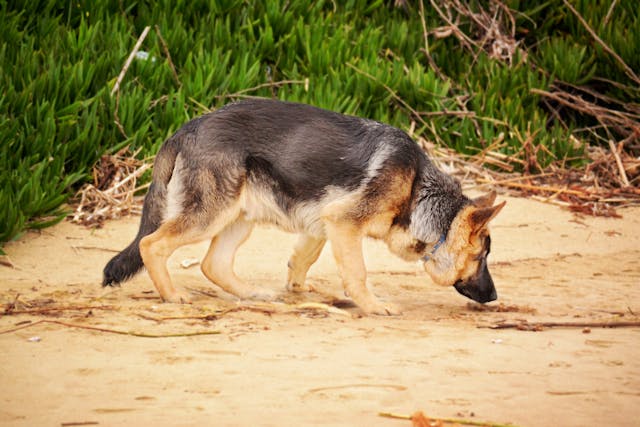
https://weloveourfurryfriends.com/wp-content/uploads/2024/04/9-Reasons-to-Choose-a-German-Shepherd-for-Your-Next-Furry-Friend.jpg 640 427 We Love Our Furry Friends We Love Our Furry Friends https://weloveourfurryfriends.com/wp-content/uploads/2024/04/9-Reasons-to-Choose-a-German-Shepherd-for-Your-Next-Furry-Friend.jpgGerman Shepherds are intelligent, athletic and highly trainable dogs that have worked alongside people for generations. Today, you’ll find them living as family companions and working in roles such as police work, search and rescue, assistance work, and dog sports.
But does that make a German Shepherd the right dog for you?
Possibly. German Shepherds have many appealing qualities, but they’re also large, energetic working dogs that require training, exercise, socialisation and plenty of involvement from their owners.
If you’re considering bringing one home, here are nine reasons a German Shepherd could be a great companion—and what you should know before deciding.
1. German Shepherds Form Strong Bonds With Their Families
One of the breed’s best-known characteristics is its devotion to its people.
German Shepherds were developed as working dogs that cooperated closely with handlers. This people-focused working relationship remains a key characteristic of the breed.
The American Kennel Club’s German Shepherd breed profile describes German Shepherds as loyal, confident and courageous. They can form particularly close relationships with the people who train, exercise and care for them.
That bond also means a German Shepherd generally isn’t a dog to leave alone and unstimulated for long periods. They tend to thrive when they’re included in family life and given something productive to do.
2. They’re Highly Intelligent and Trainable
German Shepherds have an impressive capacity for learning.
Basic obedience is only the beginning. They can learn tracking, scent work, agility, herding and many other specialised skills.
Their combination of intelligence and willingness to work is one reason German Shepherds have been used in so many demanding roles. The AKC’s German Shepherd training guide recommends beginning obedience, recall and impulse-control training while the dog is young and continuing training as it matures.
However, owning an intelligent dog doesn’t mean owning an automatically well-behaved one.
German Shepherds need owners who will channel that intelligence appropriately. Without sufficient training and mental stimulation, a clever working dog may find its own ways to stay occupied—and those activities might not be ones you appreciate.
3. German Shepherds Are Exceptionally Versatile
A few characteristics define the German Shepherd as well as its versatility.
The breed was originally developed for herding, but its intelligence, athleticism and trainability have allowed it to take on many different jobs.
German Shepherds have worked in:
- Police and military roles
- Search and rescue
- Assistance and service work
- Tracking and scent detection
- Herding
- Obedience
- Agility
- Therapy work
Your family pet doesn’t need a professional job, of course. But providing activities that challenge both body and mind can help satisfy the same desire to work.
4. They Can Be Alert and Protective Companions
German Shepherds are naturally watchful dogs.
Their size, confidence and attentiveness can make them effective watchdogs, and the breed may be reserved around unfamiliar people.
However, protectiveness should not be confused with uncontrolled aggression.
A well-adjusted family dog should be manageable around visitors and capable of responding appropriately to its owner’s direction. Early socialisation helps puppies learn that unfamiliar people, animals, sounds and environments aren’t automatically threats.
The AKC describes the German Shepherd temperament as confident and courageous while noting that the breed can have a degree of aloofness towards strangers.
If you want a German Shepherd primarily for protection, seek professional guidance rather than trying to encourage aggressive behaviour yourself.
5. They’re Excellent Companions for Active Owners
If your ideal weekend involves outdoor activity rather than spending the entire day on the sofa, a German Shepherd may fit your lifestyle.
These are energetic, athletic dogs.
Walking, hiking, structured play, tracking, obedience and dog sports can all provide useful outlets for their energy. The breed can participate in activities including agility, herding, tracking and dock diving.
Physical exercise isn’t enough by itself, though.
German Shepherds also need mental stimulation. Training exercises, scent games and learning new skills can be just as valuable as physical activity.
This is one reason the breed isn’t ideal for everyone. PDSA recommends around two hours of daily exercise for adult German Shepherds, although an individual dog’s requirements will vary according to age, health and fitness.
If you’re looking for a low-energy dog requiring minimal daily engagement, another breed may suit you better.
6. German Shepherds Can Be Wonderful Family Dogs
A properly socialised and trained German Shepherd can become a loving family member.
They can be affectionate with the people they know and often enjoy being actively involved in family life. The AKC’s guide to living with German Shepherds notes their reputation as family companions as well as guardians.
However, saying German Shepherds are simply “good with children” is too broad.
Individual temperament matters. So do socialisation, training and the behaviour of the children involved.
German Shepherds are also large, powerful animals, so interactions between dogs and young children should be supervised. Children should learn not to disturb a dog while it is eating or sleeping, climb on it, pull its ears or otherwise ignore its boundaries.
The goal isn’t merely finding a child-friendly breed. It’s creating safe interactions between the individual dog and child.
7. Their Working Ability Opens the Door to Dog Sports
You don’t need sheep to give a German Shepherd a job.
The breed’s intelligence and athleticism make German Shepherds suitable for many organised activities, including obedience, rally, agility, tracking and herding.
These activities provide more than exercise. They give dogs opportunities to solve problems, follow instructions and work cooperatively with their owners.
The AKC highlights several sports suited to German Shepherds, including obedience, rally, agility, tracking and herding.
You don’t have to compete, either.
Learning scent games in the garden, practising advanced obedience or attending recreational training classes can give a pet German Shepherd some of the mental challenge it needs.
8. They Have a Distinctive, Athletic Appearance
There is no mistaking a German Shepherd.
Adults have a strong, athletic build, upright ears and an alert expression. Their movement and physique reflect their development as working dogs rather than purely ornamental companions.
According to the AKC breed profile, adult males typically stand 24–26 inches at the shoulder and weigh 65–90 pounds, while females are generally 22–24 inches and 50–70 pounds.
German Shepherds also come in more coat colours than just the familiar black-and-tan combination.
Their double coat does mean shedding, though.
If you’re considering the breed because you love its appearance, be prepared for regular brushing and a considerable amount of loose hair around the home—particularly during periods of heavier seasonal shedding.
9. Life With a German Shepherd Can Be Incredibly Rewarding
Perhaps the strongest reason to choose a German Shepherd is the relationship that develops when the right owner matches with the breed.
Training, exercising and learning together can create a close partnership.
A German Shepherd can accompany you on walks, learn increasingly challenging skills, participate in dog sports and then settle into family life at home.
But that rewarding relationship requires commitment.
German Shepherds aren’t decorative pets. Their intelligence, energy and working heritage mean they need your time and involvement throughout their lives.
For someone who wants that level of interaction with a dog, those requirements can be part of the appeal rather than a disadvantage.
What Should You Know About German Shepherd Health?
Health deserves serious consideration before choosing this breed.
German Shepherds can be affected by several inherited or breed-associated conditions, including hip and elbow dysplasia and degenerative myelopathy. Other health problems can also occur.
PDSA’s German Shepherd health guide provides an overview of conditions prospective owners should be aware of.
If you’re buying a puppy, don’t choose a breeder based only on photographs, availability or price. Ask about health testing performed on the parents and request documentation rather than relying on verbal assurances.
If you’re adopting, speak with the rescue organisation about the dog’s known medical and behavioural history.
Regular veterinary care, appropriate nutrition, exercise and maintaining a healthy body condition remain important throughout the dog’s life.
Is a German Shepherd Right for You?
Before bringing one home, ask yourself whether you realistically have the time and resources the breed requires.
A German Shepherd may be a suitable match if you:
- Want an intelligent dog you can actively train
- Enjoy regular exercise and outdoor activities
- Have time for daily physical and mental stimulation
- Are committed to early socialisation and ongoing training
- Want a dog that forms close relationships with its family
- Can manage a large, powerful adult dog
- Are prepared for regular shedding and grooming
- Can afford routine veterinary care and unexpected medical expenses
You may want to consider another breed if you’re looking for a low-maintenance dog, spend long periods away from home or don’t have time for regular training and exercise.
How Long Do German Shepherds Live?
Life expectancy varies between individual dogs and different sources.
The American Kennel Club lists an expected lifespan of approximately 12–14 years, while other organisations provide somewhat different estimates.
Genetics, veterinary care, nutrition, body condition, exercise and disease can all influence an individual dog’s lifespan.
Rather than choosing the breed based on a specific lifespan figure, prospective owners should understand its potential health concerns and be prepared for the responsibilities of caring for a large dog throughout every stage of life.
The Bottom Line
German Shepherds have earned their reputation as capable working dogs and devoted companions.
Their intelligence, trainability, versatility, athleticism and tendency to form strong relationships with their families can make them exceptional pets for the right household.
Those same qualities also create responsibilities.
A German Shepherd needs exercise, mental stimulation, consistent training, socialisation and ongoing veterinary care. Prospective owners should also understand the health conditions associated with the breed and carefully research breeders or rescue organisations.
If you have the time, energy and commitment to meet those needs, a German Shepherd can offer something much more meaningful than an impressive appearance: an active partnership that can last for many years.

