


7 Dog Breeds You Can Trust Off The Leash
https://weloveourfurryfriends.com/wp-content/uploads/2023/11/Labrador-Retriever-1024x683.jpg 1024 683 We Love Our Furry Friends We Love Our Furry Friends https://weloveourfurryfriends.com/wp-content/uploads/2023/11/Labrador-Retriever-1024x683.jpgBeing able to explore without a leash can give a dog more freedom to run, sniff and enjoy its surroundings. But which dogs can actually be trusted off leash?
Some breeds are particularly intelligent, responsive to their owners and easy to train, which can make them good candidates for off-leash activities. Labrador Retrievers, Golden Retrievers, Border Collies and Poodles are good examples.
However, breed alone never guarantees that a dog will be safe off leash.
A dog should have a reliable recall and be able to respond to commands around distractions before being allowed off leash in an unfenced area. Even then, dogs should only be off leash where it is both safe and legally permitted.
With that important distinction in mind, here are seven breeds that often have characteristics that can help with off-leash training.
1. Labrador Retriever
Labrador Retrievers are intelligent, energetic and generally eager to work with their owners. Those qualities can provide a strong foundation for recall and off-leash training.
Retrievers were originally developed to work alongside hunters, locating and retrieving game before returning it to their handlers. This history of cooperative work helps explain why Labs tend to respond well to human direction.
The American Kennel Club’s Labrador Retriever profile rates the breed highly for trainability and describes Labs as energetic dogs that need physical and mental activity.
That doesn’t mean you should simply unclip a Labrador’s leash. Young Labs can be extremely enthusiastic and may become distracted by water, other dogs, people or interesting smells.
Build a strong recall in controlled environments first and gradually introduce more distractions.
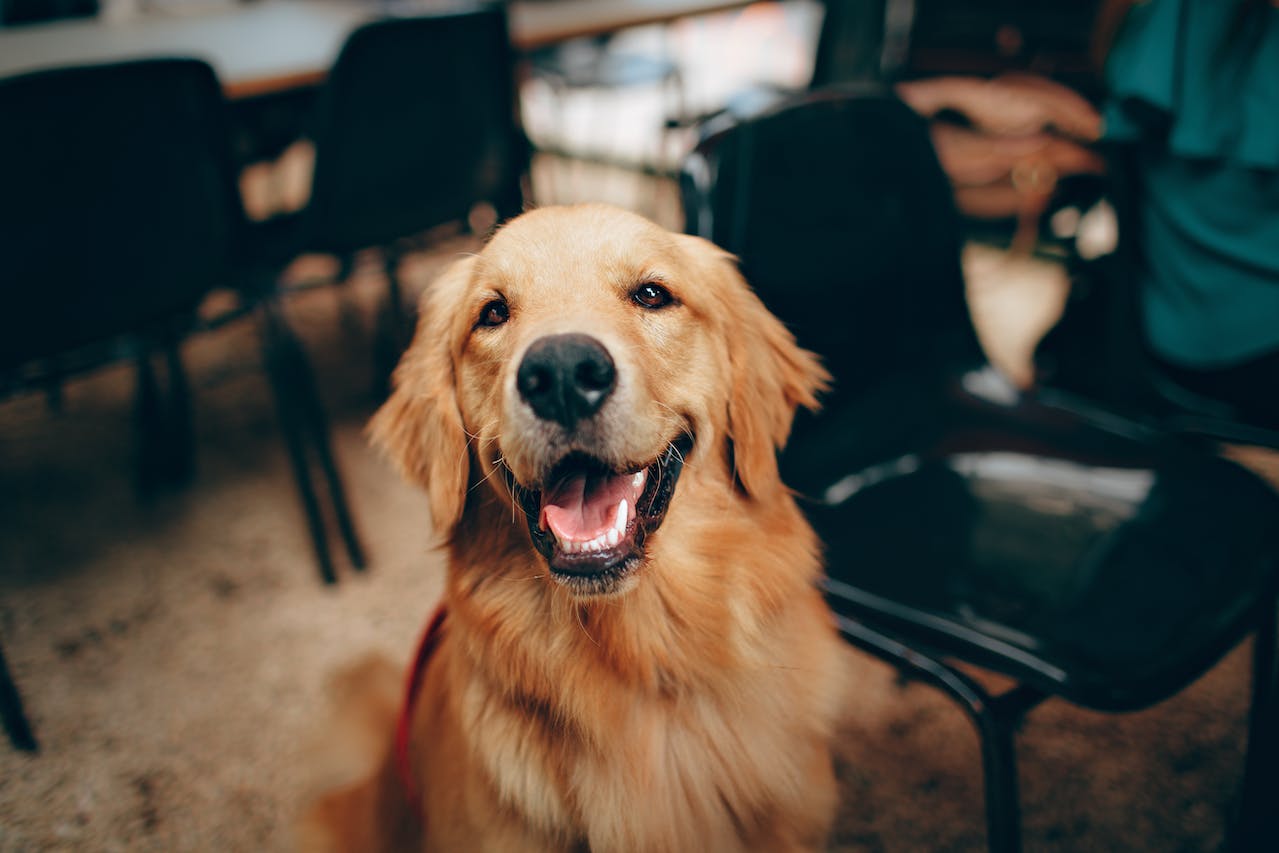
2. Golden Retriever
Golden Retrievers share many characteristics with Labradors that can make them promising candidates for off-leash training.
They are intelligent, athletic and typically eager to please. The American Kennel Club describes Golden Retrievers as highly trainable dogs that enjoy activities such as running, hiking, swimming and retrieving.
Their history matters too. Retrievers were developed to cooperate closely with people, and willingness to work with a handler remains an important characteristic of the group.
A Golden Retriever still needs proper recall training before being given off-leash freedom. Friendly dogs may be tempted to run towards other people or dogs, even if their intentions are harmless.
A reliable off-leash dog needs to learn that seeing something exciting doesn’t mean it has permission to approach it.
3. Border Collie
Few breeds have a reputation for trainability quite like the Border Collie.
These highly intelligent working dogs were developed to manage livestock while responding to directions from their handlers. The AKC describes Border Collies as highly trainable dogs that excel in obedience, agility and herding.
That combination of intelligence, athleticism and responsiveness can translate well to recall training.
However, Border Collies also have strong herding instincts and high exercise requirements. Movement can be particularly stimulating, and an individual dog may become interested in animals, cyclists, runners, or other activities.
Successful off-leash training therefore involves more than just teaching “come.” Your dog should also learn to disengage from distractions and remain responsive when excited.
4. Australian Shepherd
Australian Shepherds are another intelligent herding breed accustomed to working closely with people.
They tend to learn quickly and benefit from having both physical exercise and mentally challenging activities. According to the AKC’s Australian Shepherd guidance, Aussies require ongoing training, socialisation and engagement to remain happy and well-behaved.
These characteristics can make recall training rewarding for an owner prepared to put in the work.
The challenge is their herding background. An Australian Shepherd may be highly responsive to its owner while still finding moving animals or people extremely interesting.
Practice around controlled distractions before considering off-leash exercise in a larger environment.
5. Standard Poodle
Don’t let the elaborate show coat create the wrong impression. Poodles are athletic working dogs with impressive learning ability.
The AKC describes Poodles as intelligent, active and people-orientated. They enjoy activities including swimming, retrieving and dog sports.
Those qualities can make the Standard Poodle a strong candidate for recall training.
Their intelligence does not eliminate the need for practice, though. Recall should be reinforced in different environments because responding perfectly at home doesn’t necessarily mean a dog will make the same decision in a park full of smells, animals and people.
6. Bernese Mountain Dog
Bernese Mountain Dogs are large working dogs known for forming close relationships with their families.
Their people-orientated nature and willingness to learn can make obedience training productive, and some individual Bernese Mountain Dogs can develop excellent recall.
However, their inclusion on this list requires more qualification than breeds such as the Labrador or Golden Retriever.
A Bernese Mountain Dog’s large size makes reliable obedience particularly important. Off-leash suitability should be judged on the individual dog’s training, temperament, response to distractions and environment—not simply its breed.
If your Bernese Mountain Dog ignores recall when distracted, keep practising on a leash or long line instead of assuming that maturity will solve the problem.
7. Shetland Sheepdog
Shetland Sheepdogs, commonly called Shelties, are intelligent, responsive herding dogs.
They are known for trainability and frequently participate in obedience and agility. The AKC describes Shelties as intelligent, trainable and willing to please.
However, there is an important catch when discussing Shelties and off-leash reliability.
Their herding instincts can encourage them to chase moving objects. The AKC specifically notes that Shelties may chase things such as cars and recommends secure fencing and leash walking.
For that reason, a Sheltie should not be assumed trustworthy off leash simply because the breed is intelligent. An individual dog needs a thoroughly trained recall and should only be off leash in an appropriate environment.
What Makes a Dog Suitable Off Leash?
Breed can influence trainability, prey drive, herding behaviour, independence and how closely a dog naturally works with people. But those characteristics are only one part of the overall picture.
A good off-leash dog should be able to:
- Come immediately when called
- Remain responsive around other dogs
- Ignore wildlife and other distractions
- Stay reasonably close to its owner
- Leave something alone when instructed
- Stop or change direction when asked
- Avoid approaching unfamiliar people without permission
Most importantly, your dog must demonstrate these behaviours before you can remove the leash.
A dog that reliably comes when called inside your home may behave completely differently when it spots a squirrel across a field.
How Do You Train a Dog to Be Reliable Off Leash?
Start with recall training in a quiet, controlled environment.
Choose a consistent cue such as “come” and reward your dog generously when they respond. Once they reliably return at home, gradually introduce distance and distractions.
The next stage isn’t immediately removing the leash.
A long line allows your dog to explore farther away while you retain a level of control. The AKC’s guide to reliable recall recommends practising in safe environments and using a long line as you progress to larger, more distracting spaces.
Gradually practise around increasingly tempting distractions.
Avoid repeatedly calling your dog when you know they are unlikely to respond. You also shouldn’t punish a dog after it eventually returns. Coming back to you should consistently lead to something positive.
How Do You Know When Your Dog Is Ready?
Your dog’s breed shouldn’t make this decision for you.
Before considering off-leash freedom, ask whether your dog reliably responds when distracted by other dogs, wildlife, food, people and unfamiliar surroundings.
Even excellent recall isn’t a guarantee. Dogs aren’t robots, and unexpected events can cause even a well-trained dog to behave differently.
The AKC’s off-leash safety guidance recommends evaluating the individual dog’s temperament and training and using designated off-leash areas or securely fenced spaces where appropriate.
If you’re uncertain, continue using a long line. Your dog can still enjoy considerable freedom to explore without the additional risks of being completely off leash.
Where Should Dogs Be Allowed Off Leash?
Good recall doesn’t override local rules.
Only let your dog off leash in places where dogs are legally permitted to be off leash, such as designated off-leash parks, appropriate beaches or other clearly marked areas.
A securely fenced private area is another option.
Roads, livestock, wildlife, unfamiliar dogs and other hazards should all influence your decision. You also need to consider other people. Someone else’s dog may be nervous or reactive and may not appreciate an unfamiliar off-leash dog approaching.
Being able to recall your dog before it reaches another person or animal is therefore an important part of responsible off-leash handling.
Can Any Dog Be 100% Trusted Off Leash?
No dog is completely predictable.
Labrador Retrievers, Golden Retrievers, Border Collies, Australian Shepherds, Standard Poodles and other highly trainable breeds may have characteristics that make off-leash training easier, but there are significant differences between individual dogs.
Breed gives you tendencies—not guarantees.
A Labrador with poor recall shouldn’t be off leash simply because Labradors are trainable. Meanwhile, an individual dog from a breed known for greater independence may develop excellent recall through consistent training.
Focus on the dog in front of you.
The Bottom Line
Some breeds have characteristics that can give them an advantage when learning to behave reliably off leash.
Labrador Retrievers and Golden Retrievers were developed to cooperate with handlers. Border Collies, Australian Shepherds and Shelties are highly intelligent working dogs, while Standard Poodles combine intelligence with athleticism and trainability.
But there is no dog breed that can automatically be trusted off leash.
Reliable recall comes from training, reinforcement and practice around real-world distractions. Before unclipping the leash, consider your individual dog’s behaviour, the surrounding environment and local leash rules.
If your dog isn’t ready, there is nothing wrong with keeping the leash attached. A long line or securely fenced area can provide plenty of freedom while keeping your dog—and everyone around them—safer.

