


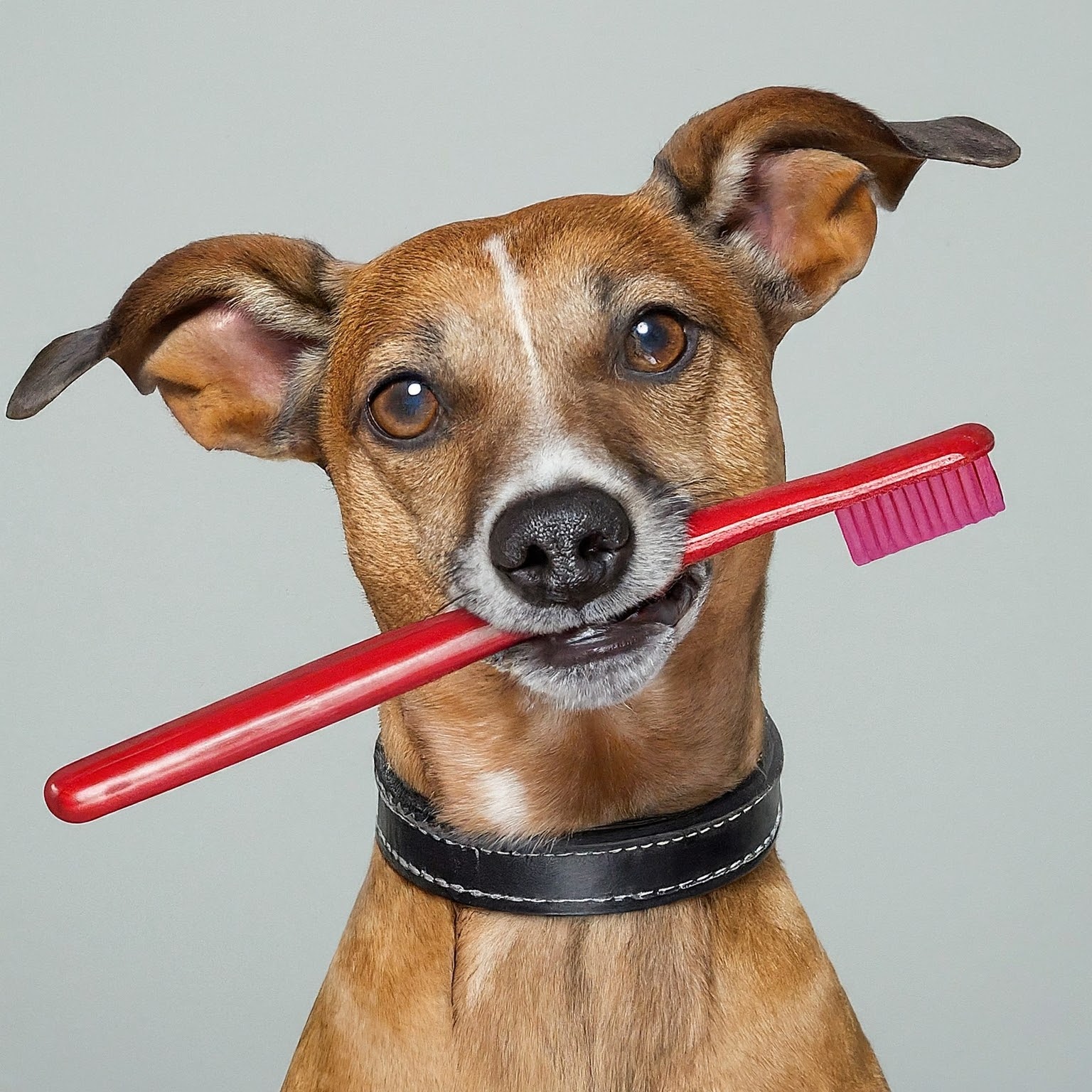
How Often To Brush Dog Teeth: Tips for Dental Care
https://weloveourfurryfriends.com/wp-content/uploads/2023/03/How-Often-To-Brush-Dog-Teeth-2-1024x1024.jpg 1024 1024 We Love Our Furry Friends We Love Our Furry Friends https://weloveourfurryfriends.com/wp-content/uploads/2023/03/How-Often-To-Brush-Dog-Teeth-2-1024x1024.jpgYou should ideally brush your dog’s teeth every day. Daily brushing helps remove plaque before it hardens into tartar and reduces the risk of gum disease.
If daily brushing isn’t immediately possible, brushing several times a week is better than doing nothing. However, the goal should be to establish a daily routine gradually.
Dental care matters because dogs can develop painful oral health problems even when they continue eating and behaving normally.
This guide explains how often to brush your dog’s teeth, how to do it safely and which other dental-care methods can help.
How Often Should You Brush Your Dog’s Teeth?
Veterinary dental guidelines recommend daily toothbrushing as the most effective routine for home plaque control.
Plaque is a sticky film containing bacteria that forms on teeth. If it isn’t removed, it can mineralise into tartar, which ordinary brushing cannot remove effectively.
Here’s how different brushing schedules compare.
| Brushing Frequency | What It Means for Dental Care |
|---|---|
| Daily | Ideal routine for controlling plaque |
| Several times a week | Helpful, but generally less effective than daily brushing |
| Once a week | Limited plaque control |
| Rarely or never | Greater reliance on other preventive measures and veterinary dental care |
Some dogs need more individualised care, particularly those with crowded teeth, existing dental disease or other risk factors.
Your veterinarian can recommend an appropriate plan.
Why Is Brushing Your Dog’s Teeth Important?
Dogs are susceptible to periodontal disease, which affects the gums and tissues supporting their teeth.
Dental problems often begin with plaque accumulating along the gumline.
Over time, this can contribute to gingivitis and more advanced periodontal disease.
Possible consequences include:
- Inflamed or bleeding gums
- Persistent bad breath
- Pain while chewing
- Loose or missing teeth
- Damage to tissues supporting the teeth
- Oral infections
Dogs may continue eating despite dental pain, so the absence of obvious symptoms doesn’t guarantee healthy teeth.
The American Veterinary Dental College provides information about periodontal disease and veterinary dental care.
How to Brush Your Dog’s Teeth: Step by Step
Brushing doesn’t have to be complicated, but it’s important to introduce the process gradually.
Step 1: Choose a Quiet Time
Pick a moment when your dog is relaxed.
Avoid trying to brush immediately after energetic play or when your dog is anxious.
Keep the first sessions brief.
Step 2: Introduce Mouth Handling
Gently touch the outside of your dog’s muzzle and lift the lip for a moment.
Reward calm behaviour with praise or a small treat.
Repeat until your dog is comfortable.
Don’t force the mouth open.
Step 3: Introduce Dog Toothpaste
Use toothpaste specifically formulated for dogs.
Let your dog investigate a small amount according to the product’s directions.
Never use human toothpaste. Some human dental products contain ingredients that are unsafe for dogs, including xylitol.
Step 4: Introduce the Toothbrush
Choose a soft-bristled dog toothbrush or another veterinarian-recommended brushing tool.
Initially, touch the brush gently to one or two teeth.
Reward your dog and end the session before they become uncomfortable.
Step 5: Brush Along the Gumline
Lift your dog’s lip and gently brush the outer tooth surfaces using small circular motions.
Angle the bristles towards the gumline, where plaque tends to accumulate.
Pay particular attention to the back teeth, which can be difficult to reach.
Use light pressure rather than scrubbing.
Step 6: Gradually Increase Coverage
Start with a few teeth and work towards brushing both sides of the mouth.
The outer surfaces are generally the easiest and most important starting point.
You don’t need to force your dog’s mouth open to reach every surface.
Step 7: Reward and Repeat
End with praise, a suitable reward or another positive experience.
Consistency is more important than attempting a perfect brushing session immediately.
Over time, work towards brushing daily.
What if Your Dog Won’t Let You Brush Their Teeth?
Some dogs are uncomfortable with having their mouths handled.
This may be due to unfamiliarity, fear or existing oral pain.
Start by rewarding your dog for allowing brief touches around the muzzle.
Gradually progress to lifting the lip and introducing a toothbrush.
If your dog moves away, becomes distressed or resists, return to an easier step.
Never restrain your dog forcefully to complete brushing.
If brushing suddenly becomes difficult, or your dog appears painful, arrange a veterinary examination.
You can also use the principles in our positive reinforcement dog training guide to make dental handling more comfortable.
What Is the Best Toothpaste for Dogs?
Choose a toothpaste designed specifically for canine use.
Dog toothpaste is formulated for animals that generally swallow the product rather than spit it out.
Avoid human toothpaste, baking soda and homemade mixtures unless your veterinarian specifically recommends them.
When selecting a product, consider its safety, suitability for your dog and any evidence supporting its dental benefits.
Ask your veterinarian for recommendations if you’re unsure.
Can Dental Chews Replace Brushing?
Dental chews can support oral health, but they aren’t a complete replacement for brushing.
Some products have evidence showing that they help reduce plaque or tartar accumulation.
The Veterinary Oral Health Council maintains a list of products accepted for specific dental-health claims.
Look for the VOHC seal and check whether the product has been accepted for plaque control, tartar control or both.
Choose products appropriate for your dog’s size and chewing habits.
Always supervise chewing and avoid items that could cause choking or tooth fractures.
Do Dogs Need Professional Teeth Cleaning?
Yes, some dogs require professional dental treatment even when their owners brush regularly.
Brushing helps control new plaque, but it cannot remove established tartar or treat periodontal disease beneath the gumline.
A comprehensive veterinary dental procedure may include:
- Examination of the mouth and teeth
- Dental radiographs when indicated
- Cleaning above and below the gumline
- Polishing
- Assessment and treatment of diseased teeth
These procedures generally require general anaesthesia so the veterinary team can examine and treat the mouth thoroughly and safely.
The need and timing for dental procedures depend on your dog’s individual oral health.
Is Anaesthesia-Free Dog Teeth Cleaning Safe or Effective?
Anaesthesia-free cleaning is sometimes advertised as a less expensive or less invasive alternative.
However, removing visible tartar from the exposed tooth surfaces doesn’t address disease beneath the gumline.
Without appropriate anaesthesia, it isn’t possible to perform the same thorough examination, dental imaging and treatment involved in comprehensive veterinary dentistry.
The American Veterinary Dental College advises against non-professional dental scaling without anaesthesia as a substitute for proper veterinary dental care.
If you’re concerned about anaesthesia, discuss your dog’s individual health risks and the veterinary team’s monitoring procedures rather than choosing a cosmetic cleaning.
What Are the Signs of Dental Problems in Dogs?
Check your dog’s mouth regularly for changes.
Warning signs include:
- Persistent bad breath
- Red, swollen or bleeding gums
- Yellow or brown tartar buildup
- Loose or broken teeth
- Excessive drooling
- Difficulty chewing
- Dropping food
- Pawing at the mouth
- Facial swelling
If you notice these symptoms, contact your veterinarian.
Don’t attempt to scrape tartar from your dog’s teeth at home.
If your dog has painful or bleeding gums, avoid brushing the affected area until a veterinarian has assessed the problem.
Does Dry Dog Food Clean Teeth?
Ordinary dry kibble shouldn’t be relied upon to clean your dog’s teeth.
Although chewing kibble may create some contact with the teeth, that doesn’t make it an effective replacement for brushing.
Certain veterinary dental diets are specially designed to help reduce plaque or tartar.
These products differ from standard dry dog food.
Ask your veterinarian whether a dental diet would be appropriate for your dog’s nutritional and oral-health needs.
Are Chew Toys Good for Dog Dental Health?
Some appropriately designed chew toys may provide enrichment and support oral hygiene.
However, very hard items can damage teeth.
Avoid giving your dog objects that are difficult to compress or that your veterinarian considers a tooth-fracture risk.
Examples of potentially problematic items include hard bones, antlers and some rigid nylon chews.
Select products appropriate for your dog’s size and chewing strength.
Replace damaged toys and supervise your dog during chewing.
When Should You Start Brushing a Puppy’s Teeth?
You can begin introducing gentle mouth handling and toothbrushing while your dog is a puppy.
The early goal is to create positive associations with the process.
Puppies lose their baby teeth as their adult teeth develop, and their mouths may be sensitive during teething.
Use a soft brush and avoid brushing painful or irritated areas.
If you’re unsure when to begin or notice unusual tooth development, ask your veterinarian.
How Often Should Senior Dogs Have Their Teeth Brushed?
Daily brushing remains a useful goal for senior dogs when their mouths are healthy and brushing is comfortable.
However, older dogs may have periodontal disease, loose teeth or other conditions that require treatment.
A veterinary dental examination is particularly important if your senior dog has bad breath, difficulty eating or signs of oral discomfort.
Don’t assume dental pain is simply a normal part of ageing.
Frequently Asked Questions
Is Brushing a Dog’s Teeth Once a Week Enough?
Once-weekly brushing is better than never brushing, but it generally provides less plaque control than daily brushing.
Aim to increase frequency gradually.
Is It Too Late to Start Brushing an Older Dog’s Teeth?
No. Many adult and senior dogs can learn to accept toothbrushing.
However, have your veterinarian assess the mouth first if there are signs of dental disease or discomfort.
Can I Brush My Dog’s Teeth With a Human Toothbrush?
A soft-bristled human toothbrush may be suitable for some dogs if its size and shape allow gentle brushing.
However, dog-specific toothbrushes are often easier to use.
Always use dog-safe toothpaste.
Can I Use Human Toothpaste on My Dog?
No. Human toothpaste may contain ingredients unsuitable or toxic to dogs.
Use toothpaste formulated for canine use.
How Long Should I Brush My Dog’s Teeth?
There is no single required duration for every dog.
Focus on gently cleaning the accessible outer tooth surfaces and gumline without causing distress.
Start with a few seconds and gradually build a comfortable routine.
Can Dental Chews Remove Existing Tartar?
Dental chews may help control new plaque or tartar accumulation, depending on the product.
They cannot reliably remove substantial hardened tartar or treat established periodontal disease.
Why Does My Dog Have Bad Breath Even After Brushing?
Persistent bad breath can indicate dental disease or another health problem.
Arrange a veterinary examination rather than attempting to cover the smell with dental products.
The Bottom Line
Brushing your dog’s teeth every day is the ideal way to support home dental care.
Use a soft toothbrush and dog-safe toothpaste, introduce brushing gradually and reward your dog for cooperating.
Dental chews and suitable products can provide additional support, but they don’t replace veterinary examinations or necessary professional dental treatment.
A consistent routine, combined with appropriate veterinary care, can help protect your dog’s teeth and gums throughout life.

