


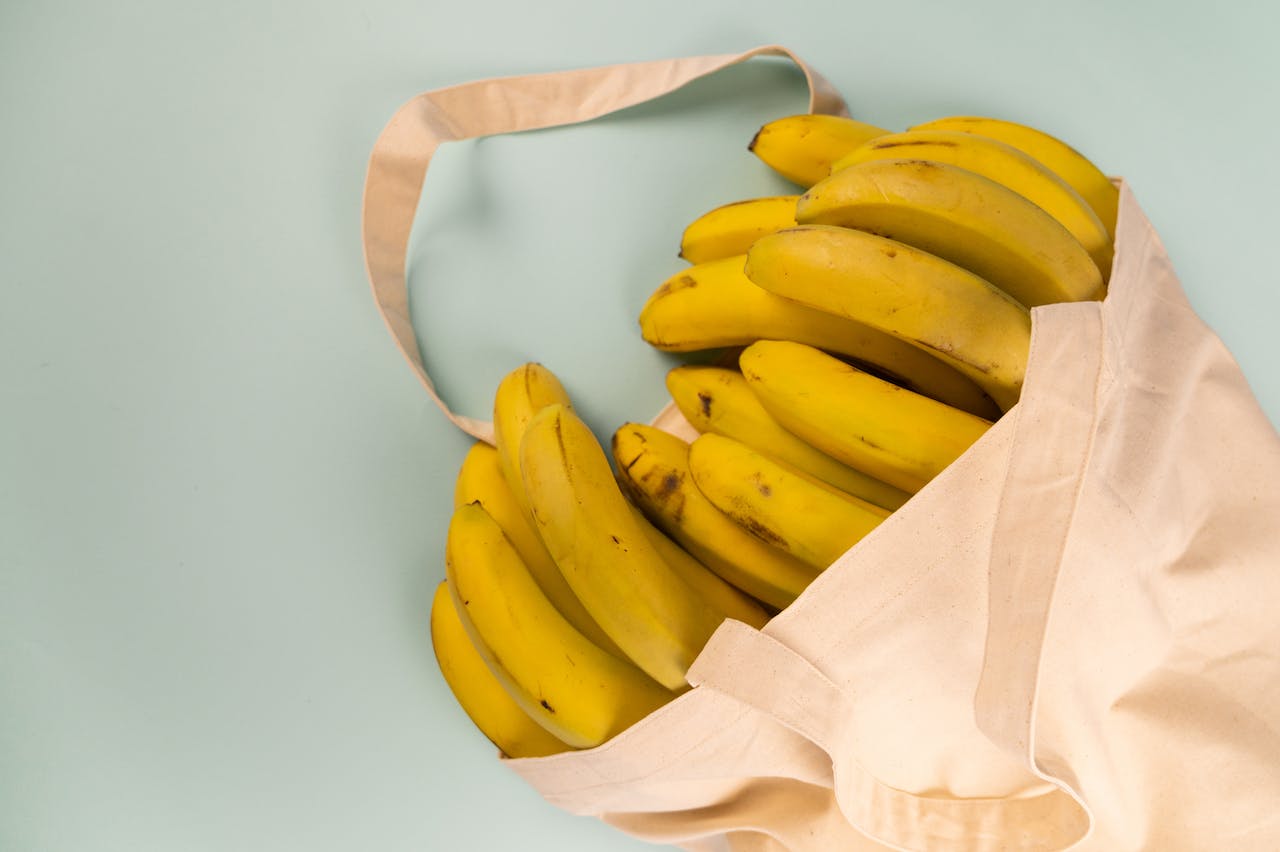
Can Dogs Eat Bananas: Tips for Safe and Healthy Snacking
https://weloveourfurryfriends.com/wp-content/uploads/2023/12/Can-Dogs-Eat-Bananas-1024x682.jpg 1024 682 We Love Our Furry Friends We Love Our Furry Friends https://weloveourfurryfriends.com/wp-content/uploads/2023/12/Can-Dogs-Eat-Bananas-1024x682.jpgYes, dogs can eat bananas.
A plain, peeled banana is generally safe for dogs when served in small amounts as an occasional treat. Bananas contain nutrients such as potassium, vitamin B6, vitamin C and fibre, but they also contain natural sugars and calories, so more isn’t necessarily better.
The most important rule is simple: remove the peel, serve small pieces and keep bananas as a treat rather than a major part of your dog’s diet.
Here’s how to give your dog bananas safely.
Are Bananas Good for Dogs?
Bananas can be a suitable treat for many healthy dogs.
According to the American Kennel Club, bananas contain potassium, vitamins, biotin, fibre and copper while being relatively low in cholesterol and sodium.
But that doesn’t mean your dog needs bananas.
Dogs eating complete and balanced dog food should already receive the essential nutrients they require from their normal diet. Think of banana as an optional snack rather than a nutritional supplement.
Its sweet taste can also make small pieces useful as occasional training rewards.
How Much Banana Can a Dog Eat?
Portion size matters because bananas contain natural sugar.
Treats—including fruit—should make up only a small proportion of your dog’s daily calories.
The WSAVA Global Nutrition Committee provides nutritional resources for pet owners and recommends that treats generally account for no more than about 10% of a pet’s daily calorie intake.
The remaining calories should primarily come from a complete and balanced diet.
That 10% is a maximum for all treats combined, not a target amount of banana your dog needs to eat.
For bananas specifically, begin with a small amount.
A small dog might receive just one or two small pieces, while a larger dog can generally tolerate a little more. Your dog’s size, activity level, normal diet and health all affect how many additional calories are appropriate.
If you’re unsure—particularly if your dog is overweight or has a medical condition—ask your veterinarian.
How Should You Give a Dog a Banana?
Preparing a banana for your dog is straightforward:
- Remove the peel.
- Cut the fruit into small, manageable pieces.
- Give your dog a small amount initially.
- Watch for digestive upset.
- Keep the remainder of your dog’s treats within its normal calorie allowance.
Small pieces reduce the chance of your dog swallowing a large chunk whole.
You can serve banana fresh or freeze small pieces for a different texture.
Avoid adding chocolate, sweetened yoghurt, syrups or other toppings simply to make the banana more interesting.
Plain is best.
Can Dogs Eat Banana Peels?
Dogs shouldn’t intentionally be fed banana peels.
The peel isn’t considered the same kind of toxic hazard as foods such as grapes or chocolate, but it is tough to digest.
The American Kennel Club advises removing the peel, as its high fibre content can be difficult for dogs to digest and may contribute to gastrointestinal problems.
Large pieces could be particularly concerning for a small dog or a dog that tends to swallow things without chewing.
Stick to the soft inner fruit.
What Should I Do If My Dog Ate a Banana Peel?
Don’t panic simply because your dog swallowed some peel.
What matters is the amount eaten, your dog’s size and whether any symptoms develop.
Monitor your dog for signs such as:
- Vomiting
- Repeated retching
- Diarrhoea
- Abdominal discomfort
- Loss of appetite
- Lethargy
- Difficulty passing stool
Contact your veterinarian if your dog swallowed a large amount of peel, is minimal, develops symptoms or you have any reason to suspect an intestinal blockage.
If you’re uncertain whether something your dog ate could be poisonous, the ASPCA Animal Poison Control Centre provides information about potentially toxic substances and emergency poison assistance.
Can Puppies Eat Bananas?
Healthy puppies can generally have a tiny amount of plain, peeled banana.
However, puppy nutrition deserves extra attention because growing dogs have specific nutritional requirements.
A puppy’s complete and balanced puppy food should remain the foundation of its diet.
Treats should be small enough for the puppy to eat safely and shouldn’t replace meals or account for a significant portion of daily calories.
If you’re using banana during training, tiny pieces are usually sufficient. Dogs care about receiving the reward much more than receiving a human-sized portion.
For very young puppies or puppies with digestive problems, discuss new foods with your veterinarian first.
Can Dogs Eat Banana Chips?
A fresh banana is usually the simpler choice.
Commercial banana chips can contain added sugar, oils, flavourings or other ingredients your dog doesn’t need.
Some dried fruit products are also much more calorie-dense than the fresh fruit because much of the water has been removed.
If you’re considering a packaged banana product, check the entire ingredient list rather than assuming it’s safe just because the front of the package says “banana.”
Plain fresh banana allows you to control exactly what your dog receives.
What About Banana Bread?
Banana bread shouldn’t be treated as the equivalent of a fresh banana.
Recipes can contain substantial amounts of sugar and fat, and some versions include ingredients that are unsafe for dogs.
Particularly important are raisins and the artificial sweetener xylitol.
The U.S. Food and Drug Administration warns that xylitol is toxic to dogs and can cause potentially life-threatening effects.
Raisins and grapes are also dangerous for dogs and can cause kidney injury.
If your dog eats banana bread, check the ingredients. Contact your veterinarian or an animal poison service promptly if it contains xylitol, raisins, chocolate or another potentially toxic ingredient.
Fresh, plain banana is the much safer way to share this fruit.
Can Dogs Eat Frozen Bananas?
Yes, small pieces of plain frozen banana can be offered to many dogs.
Freezing doesn’t remove the banana’s sugar or calories, however, so portion limits still apply.
Cut the banana into appropriately sized pieces before freezing it rather than handing your dog a large frozen section that could be difficult to chew or swallow.
You can also mash a small amount and freeze it inside an appropriate enrichment toy.
Don’t confuse frozen banana with commercially prepared banana ice cream, which may contain added sugar, dairy, chocolate, sweeteners or other unsuitable ingredients.
Can Dogs Eat Bananas Every Day?
A small amount may fit into some dogs’ daily calorie allowance, but there’s no nutritional reason your dog needs a banana every day.
Variety isn’t automatically necessary either.
If your dog enjoys bananas and tolerates them well, use them occasionally alongside its normal complete and balanced diet.
If bananas cause loose stools or other digestive problems, stop feeding them.
Dogs that are overweight, diabetic or following a veterinary therapeutic diet may need stricter control over treats. Ask your veterinarian before making banana a regular snack in these circumstances.
Can Bananas Help a Dog With Diarrhoea?
Bananas contain fibre, but that doesn’t make them a treatment for canine diarrhoea.
Diarrhoea has many possible causes, ranging from a simple dietary upset to parasites, infections, toxins and underlying disease.
Adding unfamiliar food can sometimes make gastrointestinal symptoms worse rather than better.
If your dog has diarrhoea, particularly if it is severe, persistent, bloody or accompanied by vomiting, lethargy or loss of appetite, contact your veterinarian.
Don’t rely on banana as a home remedy for an undiagnosed digestive problem.
What Other Fruits Can Dogs Eat?
Bananas aren’t the only fruit that some dogs can enjoy.
Depending on how they’re prepared, options can include small amounts of:
- Blueberries
- Strawberries
- Seedless watermelon with the rind removed
- Apple flesh with the seeds and core removed
- Cantaloupe
Preparation matters.
Not every fruit humans eat is safe for dogs. Grapes and raisins, for example, can cause serious kidney injury in dogs and should not be fed at all.
The ASPCA’s guide to people’s foods pets should avoid provides a useful reference for foods that can pose risks to pets.
When trying any new fruit, start with a small amount.
Are There Dogs That Shouldn’t Eat Bananas?
Bananas aren’t appropriate for every dog simply because they’re generally safe.
Talk to your veterinarian before adding them regularly if your dog:
- Has diabetes
- Is overweight or on a weight-loss programme
- Has a gastrointestinal condition
- Requires a prescription or therapeutic diet
- Has another medical condition affected by diet
Your veterinarian may also recommend avoiding extra treats if they interfere with a carefully controlled diet.
Individual tolerance matters too. A food can be safe for dogs generally while still causing digestive problems for your particular dog.
The Bottom Line
Can dogs eat bananas? Yes.
A plain, peeled banana can be a safe occasional treat for many healthy dogs.
Remove the peel, cut the banana into small pieces and don’t overdo the portions. Remember that bananas contain natural sugar and calories, and treats shouldn’t displace the complete and balanced food providing your dog’s essential nutrition.
Avoid banana products containing added sugar or potentially dangerous ingredients, and be particularly careful with baked goods that may contain raisins, chocolate or xylitol.
If your dog has a medical condition or follows a special diet, ask your veterinarian before adding bananas or other new treats.
A few small pieces are plenty. Your dog doesn’t need an entire banana to enjoy the treat.

