


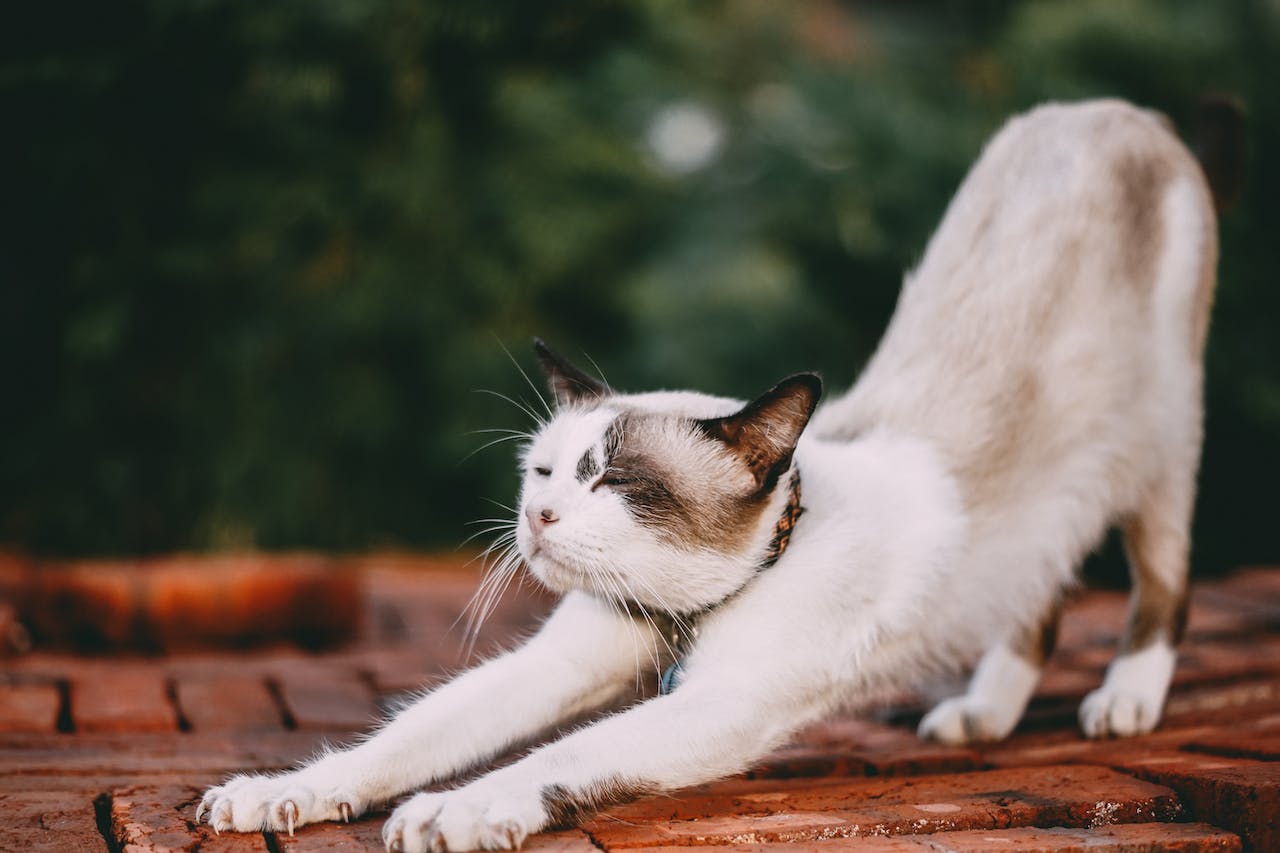
Cat Breeds 101: Unveiling the World of Felines
https://weloveourfurryfriends.com/wp-content/uploads/2023/12/Cat-Breeds-101-1024x682.jpg 1024 682 We Love Our Furry Friends We Love Our Furry Friends https://weloveourfurryfriends.com/wp-content/uploads/2023/12/Cat-Breeds-101-1024x682.jpgCats come in an extraordinary variety of sizes, coat types, colours and personalities. From the large, shaggy Maine Coon to the sleek and social Siamese, recognised cat breeds can have noticeably different physical characteristics and care needs.
But breed is just one factor.
Two cats of the same breed can still have unique personalities, and millions of wonderful companion cats aren’t members of a recognised pedigree breed at all.
If you’re researching cat breeds because you’re considering bringing a cat home, this guide will help you understand what a breed actually is, how popular breeds differ and which characteristics matter when choosing a companion.
What Is a Cat Breed?
A cat breed is a recognised population of domestic cats that have been bred to maintain particular inherited characteristics.
These characteristics can include:
- Body shape and size
- Head and facial structure
- Coat length and texture
- Coat colours and patterns
- Eye colour
- Certain behavioural tendencies
Cat registries establish standards that describe the characteristics recognised for individual breeds.
The exact number of recognised breeds varies, as different organisations maintain their own standards and registration systems. The International Cat Association (TICA), for example, currently recognises 71 cat breeds, while other registries have their own lists.
A pedigree doesn’t automatically make one cat a better pet than another.
Mixed-breed and non-pedigreed cats can make equally rewarding companions.
Breed vs Colour vs Coat Pattern: What’s the Difference?
This distinction causes considerable confusion online.
Tabby isn’t a cat breed.
It’s a coat pattern.
Likewise, describing a cat as orange, ginger, black, calico, or tortoiseshell usually describes its colour or coat pattern—not its breed.
A Maine Coon, for example, can have a tabby coat. That doesn’t make “tabby” its breed.
Similarly, a black cat could be a Bombay, but many black cats are domestic shorthairs or belong to other breeds that allow black coats.
And there is no domestic cat breed called the Black Panther. Black panthers are melanistic wild cats—typically leopards or jaguars.
Understanding this distinction makes identifying and comparing cats much easier.
How Many Cat Breeds Are There?
There isn’t one universal number.
Cat registries don’t all recognise the same breeds, and their recognition can change over time.
TICA currently recognises dozens of breeds ranging from established breeds such as the Abyssinian, Persian and Siamese to more recently developed breeds.
The Cat Fanciers’ Association also maintains its own list of recognised breeds.
Rather than focusing on an exact worldwide number, it is more useful to understand the considerable variety among recognised pedigree cats—and the even greater diversity among non-pedigreed domestic cats.
10 Popular Cat Breeds to Know
If you’re new to cat breeds, these well-known examples illustrate just how different pedigree cats can be.
1. Maine Coon
The Maine Coon is one of the largest recognised domestic cat breeds.
It has a substantial body, large paws, a long bushy tail and a semi-long coat suited to colder conditions.
TICA describes Maine Coons as generally gentle, friendly and social. They also tend to mature more slowly than many smaller cats.
Their coat requires regular attention, although grooming needs can vary between individual cats.
Consider a Maine Coon if you want a larger, interactive cat and are comfortable managing a semi-long coat.
2. Siamese
Siamese cats are instantly recognisable for their slender bodies, blue eyes and colour-point coats, where the face, ears, legs and tail are darker than much of the body.
They also have a reputation for being highly interactive.
TICA describes the Siamese as social, people-orientated, active and talkative.
That can be wonderful if you want a cat that regularly interacts with you but less suitable if you’re specifically seeking a hushed, independent companion.
Consider a Siamese if you enjoy an active, vocal cat that wants to be involved in household life.
3. Persian
Persians are known for their long coats, round heads and distinctive facial structure.
They’re generally associated with a calmer temperament than highly active breeds such as Bengals or Abyssinians.
The luxurious coat also comes with responsibility.
Regular grooming is an important part of Persian ownership, and prospective owners should research the health implications associated with exaggerated flat facial features when choosing a breeder.
Consider a Persian if you want a generally quieter companion and are prepared for substantial grooming.
4. Ragdoll
Ragdolls are large, semi-longhaired cats known for their blue eyes and pointed colouring.
TICA describes Ragdolls as affectionate cats that can adapt well to busy households.
Their coat should still be combed regularly to remove loose hair and help prevent tangles.
Don’t assume every Ragdoll will enjoy being carried simply because of the breed’s name. Individual cats have their own preferences about handling.
Consider a Ragdoll if you’re interested in a larger, people-orientated cat and don’t mind regular coat maintenance.
5. Bengal
The Bengal stands out for its spotted or marbled coat and athletic appearance.
The breed was originally developed using the Asian leopard cat and domestic cats, although modern pedigree Bengals are established domestic cats.
TICA describes Bengals as typically curious, energetic and interactive.
That activity level matters.
A Bengal may need more opportunities for climbing, playing, exploring, and mental enrichment than someone expecting a quiet lap cat anticipates.
Consider a Bengal if you want a highly active, interactive companion and can provide substantial enrichment.
6. British Shorthair
The British Shorthair has a sturdy body, round head and dense short coat.
Although the blue-grey coat is especially famous, the breed occurs in numerous colours and patterns.
British Shorthairs are generally associated with a more even-tempered disposition.
Their short coat also makes grooming less intensive than that of longhaired breeds, although regular brushing can still help remove loose hair.
Consider a British Shorthair if you prefer a sturdy shorthaired cat and a generally less intense activity level.
7. Abyssinian
Abyssinians have a distinctive ticked coat, with individual hairs containing bands of colour.
The Cat Fanciers’ Association describes the Abyssinian as active and affectionate.
This isn’t generally a breed to choose solely because you want an ornamental cat relaxing quietly on the sofa all day.
Providing climbing opportunities, interactive toys and play can help an active cat express natural behaviours.
Consider an Abyssinian if you enjoy energetic, curious cats and can provide plenty of interaction.
8. Russian Blue
The Russian Blue is known for its dense blue-grey coat with a distinctive silvery appearance and vivid green eyes.
The breed combines an elegant appearance with relatively straightforward coat maintenance.
CFA describes Russian Blues as playful and generally quiet.
As always, however, don’t expect every individual Russian Blue to behave identically.
Consider a Russian Blue if you like shorthaired cats and prefer a potentially quieter companion.
9. Norwegian Forest Cat
The Norwegian Forest Cat is a large, strongly built cat with a substantial coat adapted to a cold climate.
Its thick coat means prospective owners need to be prepared for grooming and seasonal shedding.
The CFA describes the breed as active and sweet.
Consider a Norwegian Forest Cat if you want a substantial long-haired cat and are prepared for regular coat care.
10. Siberian
The Siberian is another substantial long-haired breed with roots in a cold climate.
Its dense coat and powerful build give it a distinctive appearance, while its coat naturally requires more maintenance than that of many shorthaired cats.
Don’t choose a Siberian simply because you’ve heard that the breed is “hypoallergenic”. No cat breed can be guaranteed not to trigger allergies in a particular person.
Consider a Siberian if you enjoy larger, longhaired cats and can accommodate the grooming requirements.
What Are the Largest Domestic Cat Breeds?
If size matters to you, several breeds are known for being larger than the average domestic cat.
Examples include:
- Maine Coon
- Ragdoll
- Norwegian Forest Cat
- Siberian
Maine Coons are particularly well known for their size. TICA reports that adult males are commonly larger than females and that the breed can take several years to reach full maturity.
But don’t select a breed based solely on an expected number on the scale.
Healthy adult size varies with sex, genetics, body structure and the individual cat.
A veterinarian can help determine whether an individual cat is at an appropriate body condition rather than relying on a generic breed weight.
Which Cat Breeds Are Fluffy?
If by “fluffy” you mean cats with long or semi-long coats, several breeds fit the description:
- Persian
- Maine Coon
- Ragdoll
- Siberian
- Norwegian Forest Cat
- Birman
Their coats aren’t identical.
Persians have very different grooming requirements from Maine Coons, for example, even though both are commonly described as fluffy.
Long fur should therefore be considered a care requirement, not merely an aesthetic feature.
Before choosing a longhaired breed, consider whether you can realistically provide the brushing, coat checks and other grooming that the individual cat needs.
Are Black Cats a Specific Breed?
No.
Black is a coat colour rather than a breed.
Many pedigree and non-pedigreed cats can have black coats.
The Bombay is one recognised breed particularly associated with a solid black coat, but seeing a black cat doesn’t mean you’ve found a Bombay.
Identifying a pedigree breed requires more than matching one visible characteristic.
Without pedigree information, a black cat may simply be described according to its coat length and appearance.
Are Orange Cats a Breed?
No.
“Orange,” “ginger,” and “marmalade” describe coat colour, not a specific breed.
Orange cats can occur among pedigree breeds as well as mixed-breed domestic cats.
Tabby markings are also extremely common among orange cats.
So an “orange tabby” describes colour and pattern—it doesn’t identify a breed.
Is Tabby a Cat Breed?
No.
Tabby describes a group of coat patterns found throughout domestic cats.
Common tabby patterns include:
- Classic
- Mackerel
- Spotted
- Ticked
Many recognised breeds can display tabby patterns, and tabby coats are also very common among non-pedigreed cats.
This phenomenon is why trying to identify a cat’s breed from stripes alone usually doesn’t work.
What About Scottish Fold and Munchkin Cats?
Some breeds have physical characteristics caused by genetic mutations that deserve additional consideration from prospective owners.
Scottish Folds have folded ears, while Munchkins have shortened legs.
A distinctive appearance shouldn’t be the only factor considered when choosing an animal.
Before buying any breed developed around an unusual structural trait, research the health and welfare consequences associated with that characteristic and discuss them with a veterinarian.
Responsible pet selection means considering quality of life as well as appearance.
Do Cat Breeds Have Different Personalities?
Breed can influence behavioural tendencies, but it can’t tell you exactly how an individual cat will behave.
A breed described as “affectionate” isn’t guaranteed to become a lap cat.
Likewise, a breed commonly characterised as active can include relatively relaxed individuals.
Personality is influenced by multiple factors, including:
- Genetics
- Early experiences
- Socialisation
- Environment
- Age
- Health
- Previous experiences with people and animals
Use breed temperament descriptions as general guidance—not promises.
If you’re adopting an adult cat, the individual’s observed personality may tell you more about compatibility than its presumed breed.
How to Choose the Right Cat Breed for Your Lifestyle
Instead of asking, “What’s the best cat breed?”, ask, “What kind of cat can I realistically care for?”
Consider these factors.
Activity Level
Do you want a highly interactive cat that needs frequent play and enrichment, or would a less intense companion fit your household better?
Active cats still need opportunities to climb, chase, scratch and explore regardless of breed.
Grooming
A beautiful long coat can require significant maintenance.
Be realistic about whether you’re willing to brush your cat regularly and deal with shedding, tangles and hair around your home.
Social Needs
Some cats actively seek frequent human interaction.
Consider how much time your household spends at home and what kind of interaction you actually want from a pet.
Space and Enrichment
Living in an apartment doesn’t automatically rule out an active cat, but you need to provide appropriate environmental enrichment.
Vertical space, scratching surfaces, hiding areas, toys and interactive play can matter more than simply measuring the floor area.
Other Pets and Children
Don’t rely solely on statements that a breed is “good with children” or “good with dogs.”
Successful relationships depend on the individual animals, children’s behaviour, appropriate introductions and the ability to give the cat somewhere safe to retreat.
Health
Research health conditions associated with any breed you’re considering.
If buying from a breeder, ask which health screening is appropriate for that breed and request evidence that relevant testing has actually been performed.
Pedigree Cat or Rescue Cat?
You don’t need a pedigree cat to find a wonderful companion.
Shelters and rescue organisations care for cats with an enormous variety of appearances, ages and personalities.
One advantage of adopting an adult cat is that its personality may already be easier to observe.
You can discuss with shelter staff whether a particular cat is active or quiet, enjoys handling, has lived with other animals or needs a particular type of home.
If you’re specifically seeking a pedigree kitten, research the breeder carefully.
A responsible breeder should prioritise health, welfare and appropriate socialisation rather than simply producing kittens with fashionable physical characteristics.
Don’t Choose a Cat on Appearance Alone
It’s understandable to be attracted to blue eyes, unusual ears, a huge fluffy coat or Bengal-style markings.
But you’ll live with the cat’s needs and personality, not just its appearance.
Before bringing one home, ask yourself:
- How much grooming can I realistically provide?
- How much daily interaction and play can I offer?
- Can I afford routine and unexpected veterinary care?
- Does this cat appear comfortable with my household?
- Are there breed-related health concerns I need to understand?
- Am I prepared for a commitment that could last well over a decade?
The right match is one in which you can meet the cat’s needs throughout its life.
The Bottom Line
Cat breeds can give you useful clues about likely size, coat type, grooming requirements and some behavioural tendencies.
But breed doesn’t define an individual cat.
Maine Coons are known for their substantial size, Siamese for being social and vocal, Persians for their long coats and Bengals for their high activity levels—but every cat still has an individual personality.
It’s also important to distinguish breeds from colours and patterns. Tabby, orange, ginger and black aren’t breeds, and there is no domestic “Black Panther” breed.
If you’re choosing a cat, look beyond appearance.
Consider grooming, activity, health, personality, your home environment and whether you can realistically provide what that individual cat needs.
And don’t overlook non-pedigreed cats. The best feline companion for your household may have no breed name at all.

