


Japanese Dog Breeds
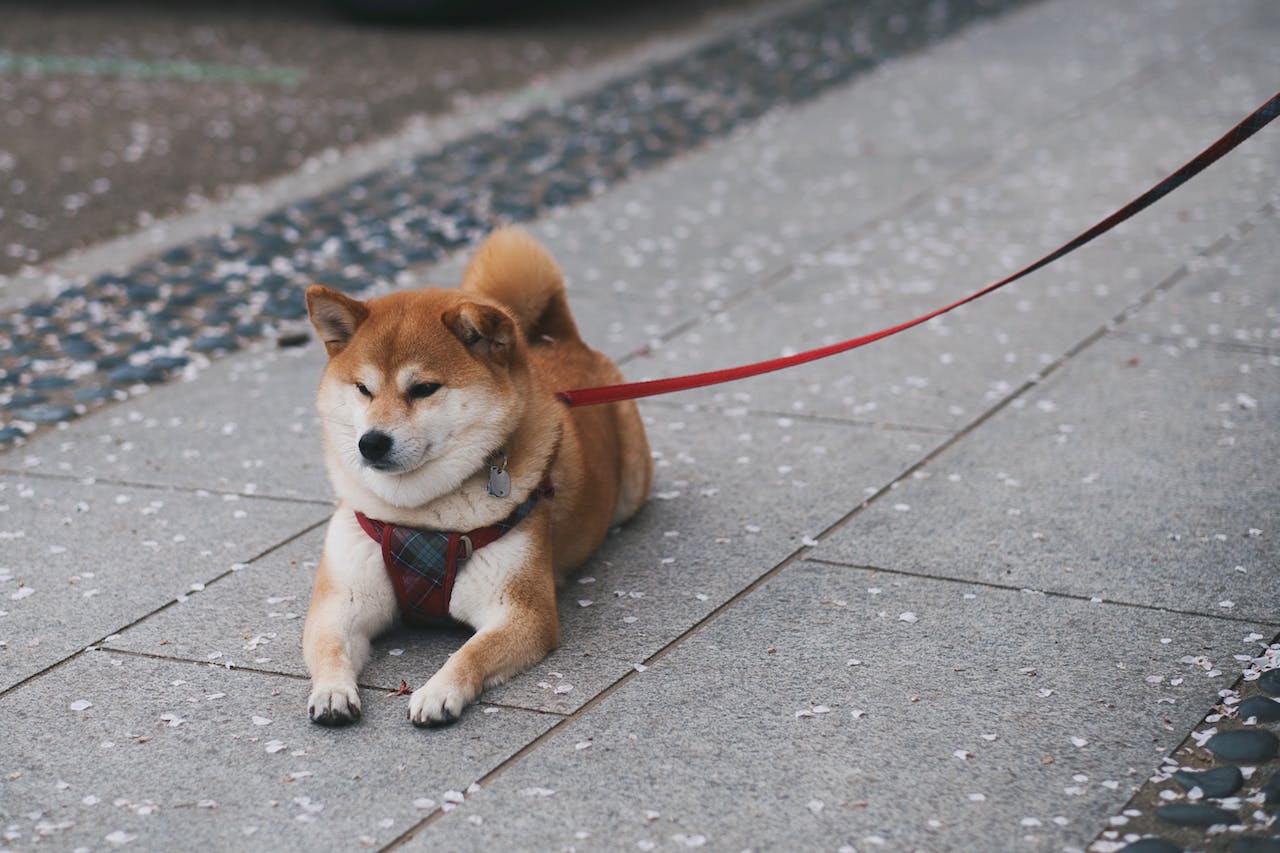
https://weloveourfurryfriends.com/wp-content/uploads/2023/12/Shiba-Inu-1024x682.jpg 1024 682 We Love Our Furry Friends We Love Our Furry Friends https://weloveourfurryfriends.com/wp-content/uploads/2023/12/Shiba-Inu-1024x682.jpgJapanese dog breeds are known for their distinctive appearances, fascinating histories and varied personalities. From the small, fox-like Shiba Inu to the powerful Akita Inu, these dogs have developed different characteristics through generations of hunting, guarding and companionship.
Japan is home to six recognised native breeds: the Akita Inu, Shiba Inu, Shikoku, Kishu Ken, Hokkaido and Kai Ken. Japan also developed other breeds, including the Japanese Spitz, Japanese Chin and Japanese Terrier.
The best Japanese dog breed for you depends on your lifestyle, living space, experience and ability to meet the dog’s exercise and grooming needs.
For South African dog owners, it’s also important to consider the climate, breed availability and access to responsible breeders or adoption organisations.
Let’s explore nine Japanese dog breeds and what makes each one unique.
Japanese Dog Breeds at a Glance
| Breed | Approximate Size | Exercise Needs | Typical Characteristics |
|---|---|---|---|
| Shiba Inu | Small | Moderate to high | Alert, independent, energetic |
| Akita Inu | Large | Moderate to high | Dignified, strong-willed, loyal |
| Japanese Spitz | Small | Moderate | Playful, affectionate, alert |
| Shikoku | Medium | High | Athletic, alert, independent |
| Kai Ken | Medium | High | Agile, intelligent, reserved |
| Kishu Ken | Medium | High | Focused, independent, athletic |
| Hokkaido | Medium | High | Hardy, alert, energetic |
| Japanese Chin | Small | Low to moderate | Affectionate, playful, companion-orientated |
| Japanese Terrier | Small | Moderate | Lively, alert, affectionate |
These descriptions reflect general breed tendencies. Individual dogs can differ considerably in temperament, energy levels and behaviour.
1. Shiba Inu
Origin: Japan
Size: Small
Exercise needs: Moderate to high
Coat: Thick double coat
The Shiba Inu is one of Japan’s most recognisable dog breeds.
Its pointed ears, curled tail and fox-like appearance give it a distinctive look.
Originally developed as a hunting dog, the Shiba Inu is known for its agility, alertness and independent personality.
Shiba Inu Temperament
Shiba Inus can be affectionate with familiar people but may be reserved around strangers.
They are intelligent dogs, although their independent nature can make training challenging.
Some also have strong prey drives, making secure fencing and reliable management important.
Is a Shiba Inu Suitable for South Africa?
Shiba Inus may adapt to South African households when provided with suitable exercise, training and protection from extreme heat.
Their double coats require regular brushing, especially during shedding periods.
They may suit owners who appreciate an independent dog and are prepared to invest time in consistent, reward-based training.
2. Akita Inu
Origin: Japan
Size: Large
Exercise needs: Moderate to high
Coat: Dense double coat
The Akita Inu is a large Japanese dog with a powerful build, broad head and curled tail.
Historically, Akitas were used for hunting large game and later became associated with loyalty and cultural symbolism in Japan.
The breed is also connected to the famous story of Hachikō, an Akita remembered for waiting for his owner at a railway station.
Japanese Akita vs. American Akita
Although they are closely related historically, the Japanese Akita Inu and American Akita are recognised as distinct breeds by some major kennel organisations.
The Japanese Akita generally has a more fox-like head and a narrower range of accepted coat colours than the American Akita.
The American Akita is typically heavier, with a broader head and more varied coat colours.
Prospective owners should confirm which breed they are considering.
Akita Inu Temperament
Akitas are often described as dignified, confident and independent.
They may be reserved around unfamiliar people or dogs.
Early socialisation, appropriate management and consistent training are particularly important.
Their size and strength make them better suited to owners who understand large, independent breeds.
Is an Akita Suitable for South Africa?
An Akita needs secure accommodation, regular exercise and careful management during hot weather.
Its thick coat requires maintenance, and owners should provide shade, fresh water, and cool resting areas.
Akitas should not be selected solely for guarding purposes.
3. Japanese Spitz
Origin: Japan
Size: Small
Exercise needs: Moderate
Coat: Long white double coat
The Japanese Spitz is a small companion dog known for its fluffy white coat, pointed ears and cheerful expression.
Unlike several native Japanese hunting breeds, the Japanese Spitz was developed primarily for companionship.
Japanese Spitz Temperament
Japanese Spitz dogs are often playful, affectionate and attentive to their owners.
They generally enjoy family interaction and can respond well to reward-based training.
Some may bark to alert their owners to unfamiliar sounds or visitors.
Is a Japanese Spitz Suitable for South African Families?
The Japanese Spitz may suit households looking for a smaller companion dog.
It still needs daily exercise, mental stimulation and regular grooming.
Its thick coat also requires attention during South Africa’s warmer months.
Owners should avoid strenuous outdoor activity during extreme heat.
4. Shikoku
Origin: Shikoku Island, Japan
Size: Medium
Exercise needs: High
Coat: Double coat
The Shikoku is a native Japanese breed originally developed for hunting in mountainous terrain.
It has an athletic body, upright ears and a curled or sickle-shaped tail.
Shikoku Temperament
Shikoku dogs are generally energetic, alert and independent.
Their hunting heritage can contribute to strong prey drives and a desire to explore.
They benefit from structured training, physical activity and mental enrichment.
Is a Shikoku Suitable for South Africa?
A Shikoku may suit an experienced owner who enjoys outdoor activities and has a secure property.
However, this is a relatively uncommon breed outside Japan.
Prospective South African owners should carefully investigate breeder credentials, health testing and availability before making a commitment.
5. Kai Ken
Origin: Yamanashi Prefecture, Japan
Size: Medium
Exercise needs: High
Coat: Brindle double coat
The Kai Ken is sometimes called the Japanese Tiger Dog because of its distinctive brindle coat.
It was developed as a hunting dog in mountainous regions of Japan.
Kai Ken Temperament
Kai Ken dogs are generally agile, intelligent and alert.
They may form strong relationships with familiar people while remaining cautious around strangers.
Their natural instincts mean they benefit from early socialisation and consistent training.
Is a Kai Ken Suitable for South Africa?
The Kai Ken is rare internationally, so finding one responsibly in South Africa may be difficult.
Owners should be prepared for substantial exercise and enrichment needs.
Because of its hunting background, secure outdoor areas are important.
6. Kishu Ken
Origin: Kii Peninsula, Japan
Size: Medium
Exercise needs: High
Coat: Short double coat
The Kishu Ken is a traditional Japanese hunting breed associated with mountainous regions.
Many Kishu Ken dogs have white coats, although other colours also occur.
Kishu Ken Temperament
Kishu Ken dogs are often described as calm in familiar environments but determined and independent when working.
They can have strong hunting instincts.
Consistent training, appropriate socialisation and secure management are essential.
Is a Kishu Ken Suitable for South Africa?
A Kishu Ken may be more suitable for experienced dog owners than first-time owners.
The breed’s rarity also makes responsible sourcing an important consideration.
Owners should ensure they can meet its exercise, training and veterinary-care needs.
7. Hokkaido
Origin: Hokkaido, Japan
Size: Medium
Exercise needs: High
Coat: Thick double coat
The Hokkaido is a hardy Japanese dog developed for working in challenging conditions.
It has a muscular build, upright ears and a dense coat suited to colder environments.
Hokkaido Temperament
Hokkaido dogs are generally alert, energetic and independent.
They have a strong working heritage and benefit from regular exercise and mental stimulation.
Is a Hokkaido Suitable for South Africa?
South Africa’s warmer climate requires careful consideration for a thick-coated breed developed in colder conditions.
Owners should provide cool indoor spaces, shade, fresh water and appropriately timed exercise.
Because Hokkaido dogs are uncommon outside Japan, responsible sourcing may be challenging.
8. Japanese Chin
Origin: Developed as a companion breed in Japan, with historical ancestry linked to East Asia
Size: Small
Exercise needs: Low to moderate
Coat: Long, silky coat
The Japanese Chin is a small companion dog known for its expressive face, feathered coat and elegant appearance.
It has a long history as a companion to aristocratic households.
Japanese Chin Temperament
Japanese Chin dogs are often affectionate, playful and attentive to their owners.
They generally enjoy companionship and may be suited to quieter households.
Is a Japanese Chin Suitable for South Africa?
The Japanese Chin may suit apartment living when its exercise and enrichment needs are met.
However, its relatively short muzzle can increase vulnerability to heat-related problems.
Owners should be especially cautious during hot weather and seek veterinary advice about breathing difficulties.
Regular grooming and eye care are also important.
9. Japanese Terrier
Origin: Japan
Size: Small
Exercise needs: Moderate
Coat: Short, smooth coat
The Japanese Terrier is a small, relatively rare breed developed in Japan.
It has a short coat, compact body and lively personality.
Japanese Terrier Temperament
Japanese Terriers are generally alert, energetic and affectionate with familiar people.
They enjoy interactive play and benefit from positive training.
Is a Japanese Terrier Suitable for South Africa?
Its small size and short coat may make everyday grooming easier than with some thick-coated Japanese breeds.
However, the breed is uncommon, and you may find it hard to find one in South Africa.
Prospective owners should research reputable breeders and avoid making decisions based solely on appearance.
What Are the Six Native Japanese Dog Breeds?
Japan’s six native breeds are:
- Akita Inu
- Shiba Inu
- Shikoku
- Kishu Ken
- Hokkaido
- Kai Ken
These breeds are associated with Japan’s traditional hunting-dog heritage.
They share some physical characteristics, including upright ears and curled or sickle-shaped tails, but differ in size, temperament and working history.
The Japanese Spitz, Japanese Chin and Japanese Terrier are also associated with Japan, although their development histories differ from those of the six native breeds.
Which Japanese Dog Breed Is Best for Your Lifestyle?
Choosing a breed involves more than appearance.
For Smaller Homes
A Japanese Spitz or Japanese Chin may be worth considering.
However, even small dogs need daily enrichment, appropriate exercise and training.
For Active Owners
The Shiba Inu, Shikoku and Kai Ken are examples of energetic breeds that may appeal to active households.
Their exercise and training requirements should not be underestimated.
For Experienced Owners
The Akita Inu, Kishu Ken and Hokkaido may appeal to owners familiar with independent working breeds.
Their size, strength or hunting instincts can require careful management.
For Families With Children
The Japanese Spitz may be worth considering for a family seeking an affectionate companion.
However, no breed is automatically safe or suitable for every child.
Individual temperament, early experiences and adult supervision matter more than breed reputation alone.
Can Japanese Dog Breeds Live in South Africa’s Climate?
Many Japanese dog breeds have thick double coats, which can make hot weather management especially important.
South African summers can be demanding, particularly in areas experiencing high temperatures.
Owners should:
- Provide shade and fresh drinking water.
- Offer access to cool indoor resting areas.
- Exercise dogs during cooler morning or evening periods.
- Avoid walking on dangerously hot pavements.
- Watch for excessive panting, weakness or other signs of overheating.
- Never leave dogs inside parked vehicles.
Routine shaving of double-coated breeds is generally not recommended without professional advice.
If you suspect heatstroke, begin appropriate cooling and seek urgent veterinary care.
Where Can You Find Japanese Dog Breeds in South Africa?
Availability varies considerably by breed.
Some Japanese breeds may be easier to find than others, while rare breeds may have very limited availability.
Start by checking established local breed clubs, registered breeders and reputable adoption organisations.
The Kennel Union of Southern Africa (KUSA) is a useful starting point for information about recognised breeds, dog clubs and breeder-related resources.
However, registration alone does not guarantee responsible breeding.
Before purchasing a puppy, ask about:
- Relevant parental health testing
- Veterinary records
- The puppy’s living conditions
- Socialisation practices
- The breeder’s experience with the breed
- Written agreements and ongoing support
Avoid sellers who refuse to show you where they raise puppies or who pressure you to make immediate payments.
You can also consider adoption through local animal welfare organisations, including the SPCA.
Breed-specific rescue availability should be confirmed directly rather than assumed.
Common Health Concerns in Japanese Dog Breeds
Different Japanese breeds may have different health conditions.
Potential concerns include:
| Breed | Health Considerations to Discuss With a Veterinarian |
|---|---|
| Shiba Inu | Patellar luxation, hip and eye conditions |
| Akita Inu | Hip dysplasia, eye conditions and certain autoimmune disorders |
| Japanese Spitz | Patellar luxation and other inherited concerns |
| Japanese Chin | Eye problems, patellar luxation and breathing or heat-related difficulties |
| Shikoku, Kai Ken, Kishu Ken and Hokkaido | Breed-relevant inherited conditions and appropriate health screening |
This table does not mean every dog will develop these conditions.
Health testing, veterinary care and responsible breeding help prospective owners make more informed decisions.
Training Japanese Dog Breeds
Many Japanese breeds are intelligent, but some are independent and may be less responsive to repetitive training.
Reward-based methods can help build cooperation and confidence.
Start with:
- Recall
- Sit and stay
- Loose-leash walking
- Leave it
- Calm greetings
- Comfortable handling
Keep sessions short and engaging.
Avoid punishment-based methods that can increase fear or stress.
For practical guidance, read our article on positive reinforcement dog training.
Grooming and Nutrition
Japanese dog breeds have different grooming requirements.
Double-coated breeds such as the Shiba Inu, Akita Inu and Japanese Spitz need regular brushing.
Long-coated dogs such as the Japanese Chin also require careful coat maintenance.
Short-coated breeds such as the Japanese Terrier generally have simpler grooming needs.
All dogs need appropriate nail care, dental hygiene and regular health checks.
For feeding, choose complete and balanced food appropriate for the dog’s age, size and health.
There is no single special diet that every Japanese breed requires.
Ask your veterinarian about individual nutritional needs.
Japanese Dog Breeds in Popular Culture
Japanese dog breeds have become well known beyond Japan.
One of the most famous examples is Hachikō, an Akita remembered for his loyalty to his owner.
His story inspired the film Hachi: A Dog’s Tale and is commemorated by a statue near Shibuya Station in Tokyo.
The Shiba Inu also gained international attention through the Doge internet meme.
While these stories have contributed to the popularity of Japanese breeds, prospective owners should make decisions based on real care requirements rather than online trends.
Frequently Asked Questions
What Is the Most Popular Japanese Dog Breed?
The Shiba Inu and Akita Inu are among the most internationally recognisable Japanese breeds.
Popularity varies by country and should not be confused with local availability.
What Is the Smallest Japanese Dog Breed?
The Japanese Chin and Japanese Terrier are among the smaller Japanese-developed breeds.
The Shiba Inu is the smallest of Japan’s six native breeds.
Are Japanese Dog Breeds Good Family Pets?
Some can make excellent family companions when their individual needs are met.
Suitability depends on temperament, training, socialisation and the household environment.
Are Japanese Dog Breeds Easy to Train?
Training difficulty varies.
Some native Japanese breeds are known for their independence, while companion breeds may have different motivations and learning styles.
Consistent reward-based training is important.
Can You Buy a Shiba Inu in South Africa?
Shiba Inus may be available through specialist breeders, but availability and waiting periods can vary.
Research breeders carefully and ask about health testing and registration.
Are Akitas Good Guard Dogs?
Akitas may be naturally watchful or reserved, but that does not make every Akita suitable for guarding work.
Their size and temperament require responsible management and training.
Do Japanese Dog Breeds Shed a Lot?
Many double-coated Japanese breeds shed substantially, particularly during seasonal coat changes.
Grooming needs differ between breeds.
Can Japanese Spitz Dogs Live in Apartments?
Yes, some Japanese Spitz dogs adapt well to apartment living when provided with exercise, enrichment and appropriate training.
Are Japanese Dog Breeds Expensive in South Africa?
Costs depend on the breed, breeder, availability and ongoing care needs.
Rare breeds may involve additional sourcing expenses, but buyers should prioritise welfare and responsible breeding over price.
What Is the Difference Between a Shiba Inu and an Akita Inu?
The Shiba Inu is much smaller than the Akita Inu.
Both have Japanese origins and distinctive spitz-type appearances, but they differ considerably in size, strength and management requirements.
The Bottom Line
Japanese dog breeds offer a wide range of sizes, personalities and care requirements.
The Shiba Inu is known for its independence, the Akita Inu for its powerful build, and the Japanese Spitz for its companion-orientated nature.
Rarer breeds such as the Shikoku, Kai Ken and Kishu Ken have strong hunting backgrounds and may require experienced owners.
For South African dog owners, choosing the right Japanese breed means considering climate, exercise needs, temperament, grooming and responsible sourcing.
Taking the time to understand these requirements will help you choose a companion whose needs match your lifestyle.

