


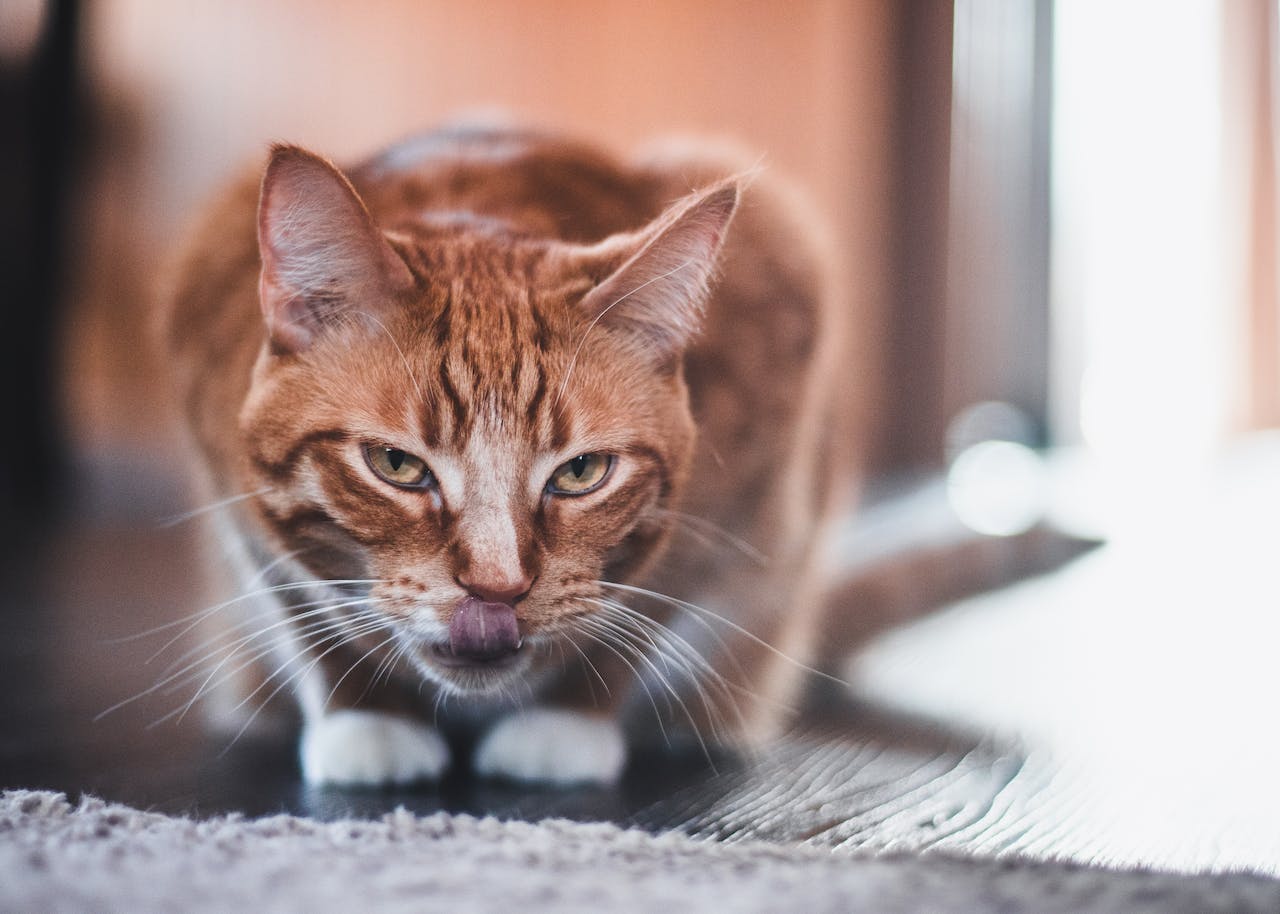
Why do cats make biscuits?
https://weloveourfurryfriends.com/wp-content/uploads/2023/12/Why-do-cats-make-biscuits-1024x731.jpg 1024 731 We Love Our Furry Friends We Love Our Furry Friends https://weloveourfurryfriends.com/wp-content/uploads/2023/12/Why-do-cats-make-biscuits-1024x731.jpgCats are fascinating creatures with a repertoire of behaviours that captivate and mystify their human companions. Among these quirks is the charming and curious act of “making biscuits.” If you’ve ever observed your feline friend rhythmically pressing their paws into a soft surface, be it your lap, a blanket, or even the couch, you’ve witnessed the adorable behaviour known as kneading or making biscuits.
At first glance, it might seem like a simple and instinctual action, but delve a bit deeper, and you’ll discover a behaviour rooted in the very essence of feline nature. Making biscuits involves a cat alternately pushing their paws in and out against a soft object, reminiscent of kneading dough, hence the endearing term. It’s a behaviour that spans across various cat breeds and ages, creating a common thread that connects cats worldwide.
The rhythmic motion of making biscuits often leaves cat owners with a sense of warmth and joy. It’s a tangible expression of comfort and contentment that has its roots in the earliest stages of a cat’s life. To truly understand why cats engage in this behaviour and what it signifies, we’ll embark on a journey through the science behind kneading, the emotions it conveys, and the nuances that make each feline’s biscuit-making experience unique.
What is making biscuits?
Picture this: you’re cozied up on the couch, enjoying a quiet evening with your cat, when suddenly, those soft paws start to work like tiny, furry pastry chefs. This delightful phenomenon is what cat enthusiasts affectionately refer to as “making biscuits.” So, what’s the deal with this adorable feline behaviour?
Imagine your cat gently pressing their paws into your lap, a blanket, or even your own belly. It’s a rhythmic dance that mirrors the kneading of dough in a bakery, hence the charming term “making biscuits.” This action typically involves your cat alternately pushing their paws in and out against a soft surface, creating a comforting and soothing motion.
Now, the origins of making biscuits can be traced back to kittenhood. In their earliest days, kittens knead their mother’s belly to stimulate milk flow during nursing. This instinctual behaviour becomes deeply ingrained in a cat’s psyche, carrying over into adulthood. So, when your adult cat is curled up beside you, happily kneading away, it’s like a sweet flashback to the carefree days of kittenhood.
But why do they do it? Well, making biscuits serves multiple purposes. For kittens, it’s a way to communicate with their mother, a sign that all is well and it’s time to chow down on some milk. As they grow into adulthood, cats continue this behaviour as a means of expressing comfort, contentment, and a general sense of well-being.
So, the next time you find yourself on the receiving end of some expertly crafted feline pastries, take a moment to appreciate the history and heartwarming instincts behind your cat’s delightful habit of making biscuits. It’s a small yet significant window into the unique bond we share with our furry companions.
The Science Behind Kneading
Now that we’ve marvelled at the cuteness of cats making biscuits, let’s dig into the nitty-gritty—the science behind this endearing behaviour. Picture it as a backstage pass to your cat’s little kneading concert.
Kneading is more than just a cute quirk; it’s deeply ingrained in a cat’s biology. The roots of this rhythmic ritual trace back to the early days of kittenhood. When kittens nurse, they use their tiny paws to knead their mother’s belly. This action has a practical purpose: it stimulates milk flow, ensuring a hearty meal for the little furballs.
As kittens grow into full-fledged feline adults, the instinct to knead persists. It becomes a soothing and comforting activity, reminiscent of the warmth and security felt during nursing. Scientifically speaking, kneading triggers the release of endorphins, those feel-good chemicals in the brain. So, when your cat is happily making biscuits on your lap, it’s not just for show—it’s their way of indulging in a blissful, self-produced mood booster.
Beyond the nostalgic connection to kittenhood, kneading serves as a multifaceted behaviour. Cats knead soft surfaces not only for the sheer joy of it but also to mark their territory. The scent glands located in the soft pads of their paws release pheromones, leaving an olfactory signature that says, “This human’s lap is mine, and I’m feeling pretty good about it!”
In essence, the science behind kneading reveals a beautiful blend of instinct, comfort, and the pursuit of happiness. So, the next time you witness your cat’s paws working their kneading magic, know that there’s a symphony of biological processes at play, creating a harmonious melody of contentment. It’s a science lesson wrapped in a furry, purring package!
What Does It Mean If Your Cat Makes Biscuits?
Ah, the delightful mystery of cat behaviour—and making biscuits is no exception! If your cat has turned your lap into their personal bakery, you’re witnessing a special expression of feline contentment and affection.
So, what does it all mean when those paws start kneading away? Well, buckle up for a journey into the heart and soul of your feline friend.
First and foremost, making biscuits is a sign that your cat is feeling as snug as a bug in a rug. It’s the equivalent of a human settling into a comfy armchair after a long day—your cat is letting you know that your presence brings them a sense of security and joy. The rhythmic motion is a throwback to the soothing kneading they experienced during nursing as kittens, creating a link between comfort and this endearing behaviour.
When your cat makes biscuits, they’re essentially giving you a kitty high-five. It’s a non-verbal way of saying, “Hey, I like you, and I feel safe here.” This action releases positive endorphins, creating a feel-good experience for both you and your feline companion. It’s like a mutual appreciation society, with kneading serving as the secret handshake.
Now, while making biscuits is often associated with contentment, it’s worth noting that cats are complex beings with a range of emotions. Sometimes, they may knead more vigorously or for extended periods, signalling a deeper level of relaxation and happiness. So, the next time your cat transforms your lap into a dough-kneading haven, take it as the ultimate compliment—you’re their favourite place to unwind and feel loved. Enjoy the silent conversation of paws and purrs, a unique language only the two of you truly understand.
Why is My Cat Kneading Me Aggressively?
Alright, so you’re enjoying some quality cat cuddle time, and suddenly those once-gentle kneading paws start feeling more like a mini massage gone wild. What’s up with the aggressive kneading? Fear not, my fellow feline aficionado, because we’re about to unpack the reasons behind this kneading anomaly.
Firstly, aggressive kneading might be your cat’s way of communicating a heightened level of excitement or overstimulation. Imagine if you were having the best day ever and couldn’t contain your enthusiasm—you might engage in more vigorous actions, right? Well, cats are no different. When they’re overwhelmed with excitement or energy, those kneading paws might get a bit more forceful.
Another reason for aggressive kneading could be linked to their natural instincts. In the wild, cats knead grass or soft surfaces to create a comfortable spot for lounging. So, if your cat is kneading you with a bit more oomph, they might be trying to turn your lap into the ultimate feline relaxation zone. It’s like they’re saying, “I really, really want this spot to be perfect!”
Now, here’s a crucial nugget of wisdom: pay attention to your cat’s body language. If they’re kneading aggressively but seem otherwise relaxed—ears at ease, tail in a neutral position—it’s likely just an expression of enthusiasm. However, if their body language suggests tension or irritation, it might be time to gently redirect their attention to a more suitable outlet, like a soft blanket or plush toy.
Remember, cats are expressive creatures, and their kneading style can vary based on their mood and the context. So, if you find yourself on the receiving end of an unexpectedly intense kneading session, embrace the enthusiasm, read the cues, and keep fostering that special bond with your feline friend. After all, life with cats is an ever-evolving adventure!
Does making biscuits mean my cat is happy?
Ah, the universal language of feline happiness—making biscuits! If you’ve ever wondered whether your cat’s rhythmic pawing is a surefire sign of pure bliss, you’re onto something delightful. Let’s delve into the joyous world of cat emotions and the happiness-packed phenomenon of making biscuits.
In most cases, yes, making biscuits is a solid indicator that your feline friend is feeling pretty darn happy. Picture your cat curled up on your lap, eyes half-closed, purring contentedly, and paws gently working their magic. It’s like a scene from a kitty spa day, and you’re the VIP relaxation destination.
The act of kneading is deeply rooted in a cat’s emotional landscape. When a cat feels secure, comfortable, and content, making biscuits becomes their go-to expression of joy. It’s a nostalgic nod to the kitten days, when the rhythmic motion of kneading meant a full belly and the soothing presence of a watchful mother.
But here’s the beautiful twist: making biscuits isn’t just about happiness; it’s also about connection. When your cat chooses you as their kneading canvas, they’re sharing an intimate moment of trust and affection. It’s their way of saying, “I feel safe with you, and I want to spread the happiness vibes.”
Now, let’s address the exceptions because, well, cats are intricate beings with a spectrum of emotions. Occasionally, a cat might knead more vigorously or for longer periods, signalling a higher level of excitement. It’s like an enthusiastic rendition of their contentment. And yes, sometimes they might knead out of habit, even if they’re feeling a bit under the weather.
In the grand scheme of cat emotions, making biscuits is a heartwarming symbol of happiness and the unique bond you share. So, revel in the cosy moments, let the purrs serenade you, and appreciate the fact that your lap has become the ultimate happiness zone for your feline friend. After all, life is better with a content cat and a lap full of love!
Should You Let Your Cat Knead You?
Ah, the age-old question: to knead or not to knead? If your cat has turned your lap into a makeshift bakery, you might be wondering about the etiquette of this feline pastry-making ritual. Fear not, dear cat aficionado, for we’re about to explore the ins and outs of whether you should let your cat knead you.
First and foremost, let’s establish that cat kneading is a sign of trust and affection. When your feline friend chooses you as the canvas for their rhythmic masterpiece, it’s a heartwarming indication that they feel safe and content in your presence. So, if you’re comfortable with it, letting your cat knead you can be a wonderful way to strengthen your bond.
Now, the gentle kneading of soft paws can be a therapeutic experience for both you and your cat. It’s like a mutual massage session, where the rhythmic motion creates a calming effect. The release of endorphins during this process contributes to an overall sense of well-being, turning your lap into a haven of relaxation.
But what if the kneading becomes a bit too enthusiastic or, dare we say, slightly painful? Fear not, for you’re not obligated to endure a vigorous kneading session. If your cat’s claws are causing discomfort, consider placing a soft blanket or cushion between their paws and your skin. This way, you can still enjoy the bonding experience without the unintended acupuncture session.
Another consideration is if your cat has a penchant for aggressive kneading that leaves you feeling more like a human scratching post than a source of comfort. In such cases, gently redirecting their attention to a suitable alternative, like a plush toy or a designated kneading blanket, can be a win-win solution.
Ultimately, the decision to let your cat knead you is a personal one. If you find joy in these moments of feline affection, go ahead and relish the cosy companionship. If, on the other hand, you prefer to maintain an unscathed lap, providing alternative soft surfaces for your cat to knead can keep everyone happy. After all, the best relationships are built on mutual understanding and the occasional compromise. So, embrace the kneading or set up a plush alternative—either way, it’s all about creating a harmonious space for you and your furry friend to coexist in comfort and joy.
Understanding individual differences
Now, let’s talk about the cat edition of “variety is the spice of life.” Just like humans, cats have their own unique personalities, quirks, and preferences. So, what if your furball isn’t exactly a master kneader? Fear not, because understanding individual differences is the key to unravelling the beautiful tapestry of feline behaviour.
First things first, not all cats are avid kneaders. Some might engage in this rhythmic activity regularly, while others may treat it as an occasional pastime or skip it altogether. And you know what? That’s perfectly fine! Just like people have different ways of expressing comfort and contentment, cats vary in their preferred modes of communication.
For some cats, making biscuits might be a solo performance, reserved for moments of deep relaxation. Picture your cat nestled in a sunbeam, eyes half-closed, and paws rhythmically working against a plush cushion. It’s a private moment of bliss, and not every cat feels the need to share this intimate act with their human companions.
Now, let’s talk about the cats who are a bit more selective in their kneading choices. Perhaps your feline friend prefers to knead soft blankets, cosy pillows, or even the plush armrest of your favourite chair. Understanding and respecting these individual preferences allows you to create an environment where your cat can express themselves comfortably.
It’s important to note that the absence of kneading doesn’t mean your cat isn’t content. Cats communicate in various ways, from gentle purring and slow blinks to the classic head bump. Pay attention to your cat’s unique language of love, and you’ll discover a treasure trove of subtle cues that speak volumes about their well-being.
So, if your cat isn’t the champion kneader you envisioned, don’t fret. Celebrate their unique way of expressing joy and contentment, whether it’s through a heartfelt head nuzzle, a comforting purr, or simply by choosing your lap as the preferred nap spot. Embracing these individual differences is what makes the feline-human bond so wonderfully diverse and endlessly fascinating. After all, in the world of cats, being one-of-a-kind is a purrfectly cherished trait.
And there you have it, fellow cat enthusiasts—the mesmerising world of making biscuits, unravelled one paw at a time! As we bid adieu to this journey through the kneading kingdom, let’s wrap things up with a personal reflection on the wonders of feline behaviour.
In the grand tapestry of cat antics, making biscuits emerges as a heartwarming thread that weaves through the fabric of comfort, contentment, and connection. We’ve ventured into the science behind kneading, peeked into the emotional nuances, and even pondered the etiquette of being your cat’s chosen canvas.
Making biscuits, in all their rhythmic glory, is a testament to the unique bond we share with our feline friends. It’s a silent language that speaks volumes about trust, affection, and the simple joy of being in each other’s company. Whether your cat is a master kneader or a connoisseur of other subtle gestures, the beauty lies in the diversity of feline expression.
As we navigate the delightful intricacies of cat ownership, let’s celebrate the individual differences that make each cat a whisker-twitching, tail-flicking masterpiece. Some may knead with gusto, while others prefer to express their happiness through gentle purrs or cosy snuggles. It’s all part of the magical mosaic of feline companionship.
So, the next time your cat transforms your lap into a kneading haven or chooses a soft cushion for their rhythmic masterpiece, savour the moment. Embrace the uniqueness of your feline friend, relish the shared warmth, and revel in the joyous symphony of paws and purrs.
In the ever-evolving adventure of life with cats, may your days be filled with cosy kneading sessions, gentle headbutts, and the timeless camaraderie that makes the feline-human bond a truly special and cherished affair. Here’s to the furry companions who turn ordinary moments into extraordinary memories—may their paws continue to dance their way into our hearts. Until next time, happy kneading, and may your days be filled with feline joy!

