


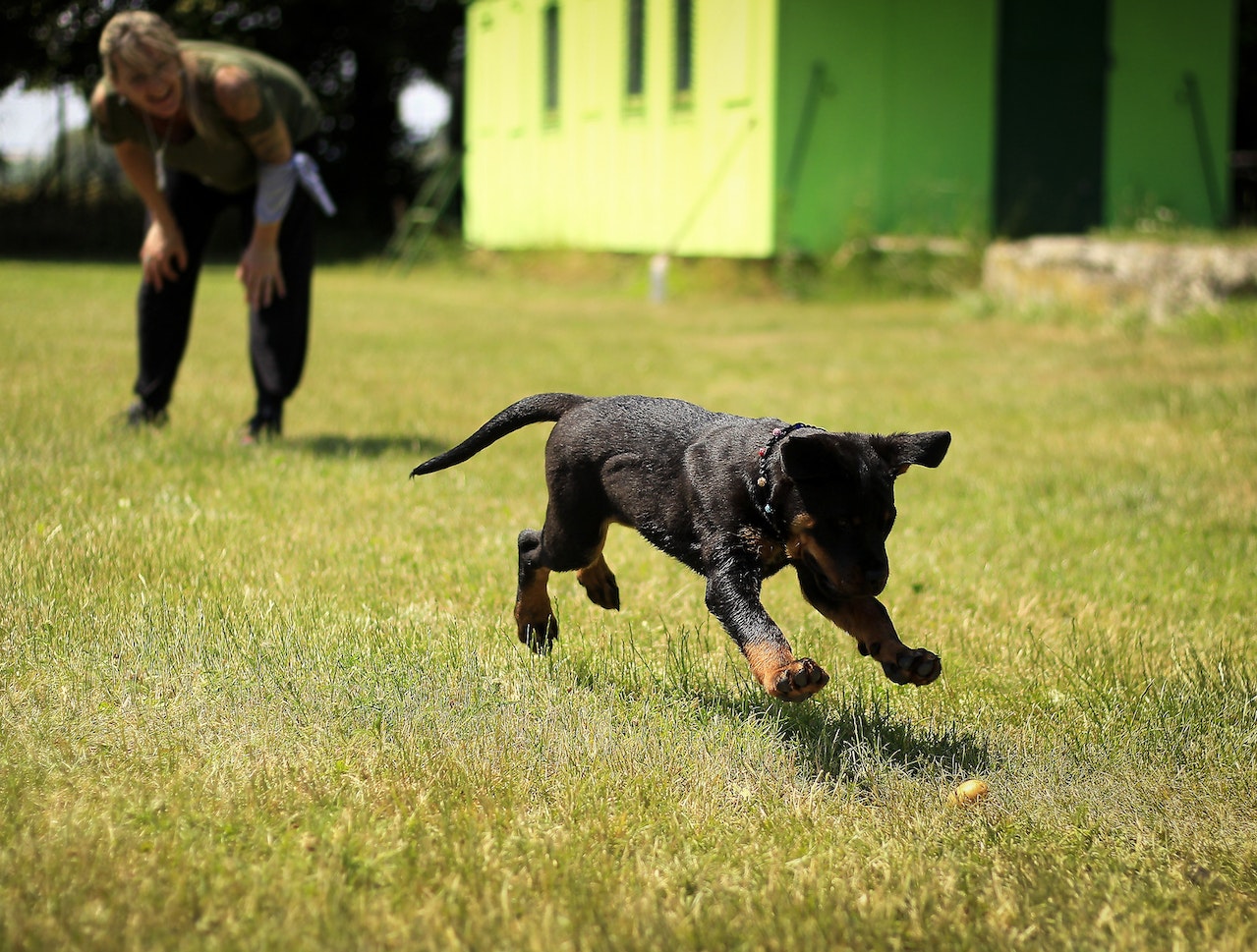
Catch That Training! The Benefits of Catch-dog Training
https://weloveourfurryfriends.com/wp-content/uploads/2023/04/Catch-That-Training-The-Benefits-of-Catch-dog-Training-1024x776.jpg 1024 776 We Love Our Furry Friends We Love Our Furry Friends https://weloveourfurryfriends.com/wp-content/uploads/2023/04/Catch-That-Training-The-Benefits-of-Catch-dog-Training-1024x776.jpgCatch-dog training is a specialised form of working-dog training that is historically associated with hunting, particularly the pursuit and restraint of animals such as feral hogs.
Unlike ordinary obedience, scent work or retrieving, catch work can involve direct physical contact between a dog and another animal. That makes it a high-risk activity with significant safety, welfare, ethical and legal considerations.
For someone researching catch dogs, understanding those risks is just as important as understanding why the dogs have traditionally been used.
Here’s what catch-dog training means, how catch dogs differ from bay dogs, the potential benefits of structured working-dog activities and what owners should consider before pursuing this type of work.
What Is a Catch Dog?
A catch dog is a working dog used to restrain an animal physically until the handler or hunter arrives.
The term is most commonly associated with hunting situations involving animals such as feral hogs.
This is different from a dog simply locating an animal or alerting a hunter to its location.
Because catch work can involve direct contact with another animal, both animals can be seriously injured.
For that reason, catch-dog work shouldn’t be viewed as an ordinary recreational training exercise that any pet owner can safely try.
Catch Dogs vs. Bay Dogs: What’s the Difference?
Although the terms sometimes appear together, catch dogs and bay dogs perform different roles.
A bay dog generally locates or pursues an animal and uses barking and movement to keep it in an area while maintaining some distance.
A catch dog physically engages and restrains the animal.
That distinction matters because direct physical contact substantially changes the risks involved.
A bay dog can still be injured during a hunt, but a catch dog intentionally working at close range may face an even greater possibility of traumatic injury.
Neither role should be confused with ordinary pet-dog training.
What Is Catch-Dog Training Used For?
Historically and today, catch dogs have primarily been associated with specialised hunting and working situations.
Depending on location and local practices, dogs may be used as part of efforts involving feral animals or other wildlife.
Some working dogs are also used in agricultural settings, although livestock guardian dogs and herding dogs perform very different roles from catch dogs.
It’s therefore important not to group every dog that works around livestock or wildlife under the term “catch dog”.
The appropriate type of working dog depends on the actual job being performed.
What Are the Potential Benefits of Working-Dog Training?
Some benefits commonly attributed specifically to catch-dog training are actually benefits of structured dog training in general.
Mental Stimulation
Dogs benefit from appropriate opportunities to learn, problem-solve and interact with their environment.
Training can provide mental enrichment when tasks are suitable for the individual dog.
A dog doesn’t need to engage a live animal to receive this benefit.
Scent work, tracking, retrieving and other structured activities can also provide mentally challenging outlets.
Physical Exercise
Working activities can provide substantial exercise.
However, exercise needs should be matched to the dog’s age, health, conditioning and physical abilities.
More intense activity isn’t automatically better.
Dogs participating in demanding activities should receive appropriate veterinary care and shouldn’t be pushed beyond safe physical limits.
Communication Between Dog and Handler
Consistent training can improve communication between people and dogs.
Handlers learn to recognise their dogs’ behaviour, and dogs learn which responses handlers reinforce.
Again, this approach isn’t unique to catch work.
Ordinary reward-based training can develop communication and cooperation without exposing a dog to the risks associated with physically engaging another animal.
Providing an Outlet for Working Behaviour
Some dogs thrive when given structured activities.
But the goal should be finding an outlet appropriate to the individual dog’s physical health, temperament and environment—not simply choosing the most intense activity available.
Is Catch-Dog Training Good Exercise?
Catch work can be physically demanding, but that doesn’t automatically make it an appropriate exercise programme.
High-intensity working dogs can experience injuries, overheating and exhaustion.
A dog’s exercise programme should take into account factors such as:
- Age
- Breed and body structure
- Cardiovascular health
- Joint health
- Current fitness
- Weather conditions
- Previous injuries
- Intensity and duration of activity
A veterinarian can help determine whether a dog is physically suited to demanding working activities.
For most companion dogs, safer activities such as walking, hiking, retrieving, scent work, swimming where appropriate and structured play can provide substantial exercise without requiring direct contact with wildlife.
What Are the Risks of Catch-Dog Work?
This approach is one of the most important parts of understanding the activity.
A dog physically confronting another animal can suffer serious injuries.
Potential risks include:
- Puncture wounds
- Lacerations
- Broken bones
- Internal injuries
- Eye injuries
- Heat-related illness
- Infection
- Exposure to parasites or disease
- Serious injury or death
The animal being pursued or restrained also faces welfare consequences.
The original version of this article acknowledged that catch dogs can suffer bites, cuts, fractures and heat exhaustion. That risk deserves greater emphasis rather than being treated as a minor disadvantage of an otherwise recreational activity.
What Training Methods Should Be Used With Working Dogs?
Regardless of the job a dog performs, training methods matter.
The American Veterinary Society of Animal Behaviour (AVSAB) recommends reward-based methods for dog training and advises against training that relies on pain, fear or physical or psychological intimidation.
Reward-based training involves reinforcing behaviours you want to see repeated.
Rewards can include:
- Food
- Toys
- Play
- Access to desired activities
- Praise or interaction with the dog’s values
AVSAB’s position is based on evidence concerning training effectiveness, animal welfare and the dog-human relationship.
A dog’s role as a working animal doesn’t eliminate the need to consider its emotional welfare.
What about leash corrections and other aversive training methods?
The original article lists leash and collar corrections alongside positive reinforcement as possible training techniques.
Modern veterinary behaviour guidance doesn’t support treating those methods as equivalent choices.
AVSAB’s Humane Dog Training Position Statement recommends reward-based training and advises against aversive methods such as electronic collars, prong collars, choke chains and leash corrections.
Aversive training can create unnecessary fear, anxiety and stress and can negatively affect the relationship between a dog and its handler.
Training should teach the dog what behaviour is wanted rather than relying on punishment when the dog gets something wrong.
Do Catch Dogs Need Basic Obedience?
Any dog participating in demanding outdoor or working activities benefits from reliable foundational skills.
Important everyday skills include:
- Responding to their name
- Recall
- Walking under control
- Waiting when asked
- Settling
- Handling and examination
- Comfortable transportation
- Being redirected away from distractions
These skills improve communication and can make everyday management safer.
However, basic obedience shouldn’t be interpreted as evidence that a dog is ready to engage wildlife physically.
Those are completely unique levels of risk.
Can Any Dog Become a Catch Dog?
No activity is appropriate for every dog.
Breed alone does not determine whether an individual dog is physically or behaviourally suitable for demanding work.
Before considering any strenuous working activity, owners need to consider the individual dog’s:
- Health
- Age
- Physical structure
- Fitness
- Temperament
- Behaviour around other animals
- Ability to cope with stressful environments
Dogs with medical conditions, fear, uncontrolled aggression or physical limitations may be especially unsuitable for high-risk working activities.
A veterinarian should be involved when assessing a dog for demanding physical work.
Is Catch-Dog Training the Same as Aggression Training?
Not exactly.
Working behaviour occurs within a particular context, while problematic aggression can involve fear, anxiety, resource guarding, territorial behaviour, pain or other factors.
Owners shouldn’t deliberately provoke aggressive behaviour because they believe it will make a dog more capable.
If your dog displays aggression toward people or animals outside an appropriate working context, seek professional help rather than attempting to intensify or “control” the aggression yourself.
Start with your veterinarian so medical contributors can be considered.
More complex cases may benefit from a qualified veterinary behaviour professional.
Are There Legal Restrictions on Catch-Dog Training?
Potentially.
Hunting laws, animal-welfare legislation, wildlife regulations and rules governing the use of dogs can vary significantly between countries, states, provinces and local jurisdictions.
The species involved may also affect what is permitted.
Don’t assume an activity is legal simply because you’ve seen other people doing it or because information about it is available online.
Anyone considering hunting or wildlife-related activities with dogs should check the current laws and regulations for their specific location through the relevant government or wildlife authority.
What Are the Animal-Welfare Considerations?
Catch-dog work raises welfare questions for both the dog and the animal being pursued.
Relevant considerations include:
- Risk of injury
- Fear and distress
- Duration of pursuit
- Environmental conditions
- Handling methods
- Veterinary preparedness
- Whether direct animal contact is necessary
- Applicable animal-welfare laws
Responsible dog ownership requires considering whether an activity provides benefits that justify the risks imposed on the animals involved.
“Working dog” shouldn’t become a reason to overlook pain, fear, injury or stress.
Are There Safer Alternatives for Giving a Working Dog a Job?
Yes.
If your main goal is to provide exercise, mental stimulation, training or a sense of purpose, catch work isn’t the only option.
Depending on your dog’s interests and abilities, consider:
Scent Work
Dogs use their exceptional sense of smell to locate specific odours.
Scent work can provide substantial mental stimulation without requiring contact with wildlife.
Tracking
Structured tracking allows dogs to follow scent trails while working cooperatively with their handlers.
Retrieving
Dogs that enjoy carrying and retrieving objects can learn increasingly challenging retrieve exercises.
Agility
Suitable dogs can navigate structured obstacles under handler direction.
Dogs should be physically healthy enough for the activity, and obstacles should be appropriate for their age and abilities.
Trick Training
Trick training can develop communication and problem-solving skills with very little equipment.
Reward-Based Obedience
Everyday skills can become increasingly challenging through distance, distractions and duration.
The activity doesn’t need to be dangerous to be meaningful to the dog.
How Do You Choose a Responsible Dog Trainer?
Dog training isn’t uniformly regulated, so owners need to evaluate trainers carefully.
Look for someone who:
- Uses reward-based methods
- Clearly explains what they are doing and why
- Doesn’t deliberately frighten or hurt dogs
- Doesn’t promise guaranteed behavioural outcomes
- Is willing to work with your veterinarian when appropriate
- Recognises when a case requires a veterinary behaviour professional
- Prioritises safety and animal welfare
The American Veterinary Society of Animal Behaviour offers guidance to owners on selecting trainers and understanding humane training methods.
Be cautious of anyone who relies heavily on dominance, “alpha” theories, physical punishment, or the idea that dogs need intimidation to obey.
Should You Try Catch-Dog Training With Your Pet?
If what interests you is the training relationship, physical activity or giving your dog an engaging job, there are much lower-risk ways to achieve those goals.
Scent work, tracking, retrieving, agility and reward-based training can provide exercise, mental stimulation and opportunities to work together without deliberately placing your dog in physical contact with a potentially dangerous animal.
Catch work is a specialised activity that involves significant welfare, legal and physical risks.
It shouldn’t be treated as a casual extension of ordinary pet-dog training.
The Bottom Line
Catch-dog training refers to specialised working-dog practices in which dogs may be used to physically restrain animals, particularly in certain hunting contexts.
While structured working activities can provide dogs with exercise, mental stimulation and opportunities to cooperate with their handlers, those benefits aren’t unique to catch work.
Direct contact with wildlife introduces substantial risks of injury to the dog and the other animal, alongside ethical and legal considerations.
If your goal is simply to challenge your dog physically and mentally, safer alternatives such as scent work, tracking, retrieving and reward-based training can provide many of the same benefits.
Whatever activity you choose, prioritise your dog’s health and welfare, use reward-based training and make sure the activity is lawful where you live.

