


Heel! Understanding the Command in Dog Training
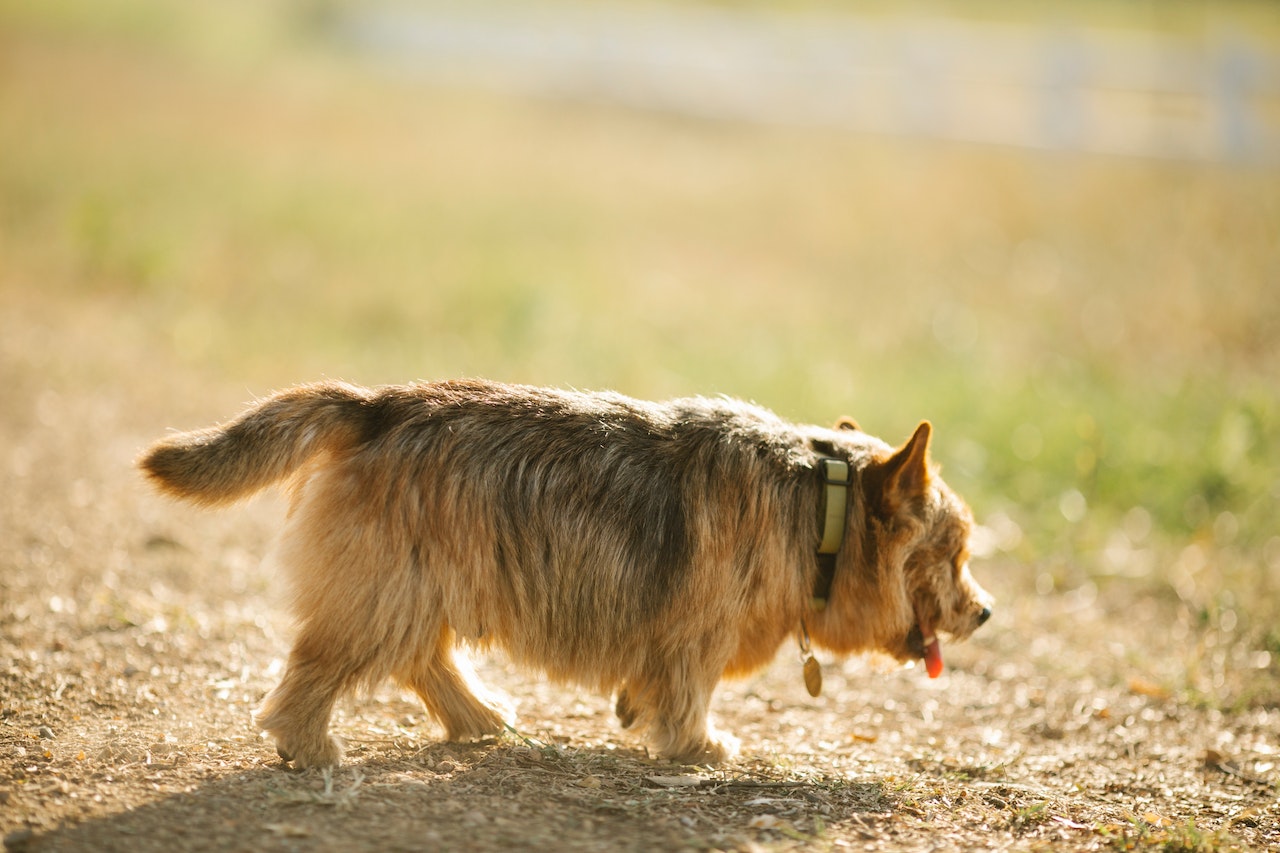
https://weloveourfurryfriends.com/wp-content/uploads/2023/04/Heel-Understanding-the-Command-in-Dog-Training-1024x682.jpg 1024 682 We Love Our Furry Friends We Love Our Furry Friends https://weloveourfurryfriends.com/wp-content/uploads/2023/04/Heel-Understanding-the-Command-in-Dog-Training-1024x682.jpgTeaching your dog to heel means training them to walk close beside you at your pace, without pulling ahead or wandering away.
It’s a useful skill for navigating crowded pavements, passing other dogs and moving through places where you need your dog close.
But there’s an important distinction: your dog doesn’t need to heel throughout an entire walk. A relaxed walk with opportunities to sniff and explore is also valuable.
In this guide, you’ll learn what ‘heel’ means, how to teach the command using positive reinforcement, and how to fix common training problems.
What Does ‘Heel’ Mean in Dog Training?
The heel command asks your dog to move into a specific position beside your leg and remain there as you walk.
In traditional obedience training, dogs are often taught to heel on the handler’s left side. However, for everyday training, you can choose either side.
Consistency matters more than which side you select.
A dog performing a heel should:
- Walk close to your chosen leg.
- Match your walking pace.
- Avoid pulling ahead or drifting away.
- Respond when you change direction or stop.
- Remain comfortable and engaged.
A heel doesn’t require your dog to stare at you constantly, particularly during ordinary walks.
Heel vs Loose-Leash Walking: What’s the Difference?
These skills are related, but they aren’t identical.
| Heel Training | Loose-Leash Walking |
|---|---|
| The dog stays in a specific position beside you | A dog can move within the leash’s length |
| Useful in crowded or distracting places | Suitable for most everyday walks |
| Requires closer attention to the handler | Allows more freedom to sniff and explore |
| Usually practised in shorter periods | Can continue throughout a walk |
For most pet dogs, loose-leash walking should be the everyday goal, and you should use a heel when you need closer control.
How to Teach a Dog to Heel in 7 Steps
Start somewhere quiet, such as your living room or garden.
You’ll need small treats, a comfortable harness or properly fitted collar, and a standard leash for practising outdoors.
Step 1: Choose Your Heel Position
Decide whether your dog will walk on your left or right side.
Stand still and encourage your dog to move beside your leg.
Reward them when they reach the correct position.
At first, don’t worry about walking. Your dog needs to understand where you want them to stand.
Step 2: Reward Your Dog for Staying Beside You
Hold a treat near your chosen side to guide your dog into position.
When your dog stands beside you, say a marker word such as “Yes” and give the treat.
Deliver the reward close to your leg so your dog learns that this spot is where good things happen.
Repeat until your dog willingly returns to the position.
Step 3: Take One Step Forward
With your dog beside you, take a single step.
If your dog moves with you and remains close, mark and reward immediately.
Start with one successful step rather than attempting a long walk.
Gradually increase to two, three and then five steps.
If your dog moves away, make the exercise easier and try again.
Step 4: Introduce the Heel Command
Once your dog understands the movement, begin saying “Heel” just before you take a step.
Reward when your dog follows you in the correct position.
Avoid repeating “Heel” continuously.
The goal is for your dog to learn that one verbal cue predicts the behaviour you’re asking for.
Step 5: Practise Stopping and Changing Direction
When your dog can walk several steps beside you, introduce simple changes.
Walk forward, stop, then reward your dog for remaining close.
Next, practise gentle turns.
Begin with slow, predictable movements so your dog has time to follow.
This helps your dog learn to pay attention to your movement rather than simply walking in a straight line.
Step 6: Add the Leash
If you’ve been practising indoors without a leash, introduce one before moving to outdoor training.
Keep the leash relaxed.
Continue rewarding your dog for walking beside you.
If the leash becomes tight, pause or move away from the distraction and help your dog return to the desired position.
Avoid jerking or tugging the leash to force your dog into place.
Step 7: Gradually Add Distractions
Once your dog can heel reliably in a quiet environment, practise in slightly more distracting places.
Start in your garden or a quiet street before attempting busy public spaces.
Reward frequently when distractions increase.
If your dog struggles, move farther away from the distraction or return to an easier exercise.
Training should progress at a pace your dog can manage.
How to Stop Your Dog from Pulling During Heel Training
Pulling is one of the most common challenges when teaching heel.
Dogs may pull because they’re excited, distracted or have learned that moving forward on a tight leash gets them where they want to go.
Instead of correcting your dog with a leash jerk, teach them that walking near you is rewarding.
As soon as your dog is in the heel position, give them a reward.
If they pull ahead, stop moving forward and wait for the leash to relax, or calmly guide them back into position.
Resume walking and reward the correct behaviour.
If pulling happens repeatedly, practise in a quieter environment where your dog can focus.
A well-fitted front-clip harness can help manage strong pulling in dogs while you continue training.
Common Heel Training Problems and How to Fix Them
Your Dog Keeps Walking Ahead
You may be increasing the walking distance too quickly.
Return to rewarding every one or two steps.
Deliver treats beside your leg rather than in front of your body.
Gradually increase the distance once your dog can maintain the position.
Your Dog Lags Behind
Your dog may be tired, distracted, uncomfortable or unsure what you’re asking.
Slow down and reward small movements forward.
Don’t drag your dog using the leash.
If lagging is unusual or accompanied by limping, stiffness or reluctance to move, consult your veterinarian.
Your Dog Only Heels When You Hold a Treat
This usually means your dog is following the visible food rather than responding to the verbal cue.
Begin keeping treats in a pouch or pocket.
Use the same hand movement without holding food, then reward your dog from your pocket after they perform the behaviour.
Gradually reduce how often you need to guide your dog.
Your Dog Loses Focus Around Other Dogs
Your training environment may be too challenging.
Increase the distance between your dog and the distraction.
Reward your dog for noticing you and returning to the heel position.
Avoid forcing close interactions while your dog is struggling to concentrate.
Your Dog Stops Heeling After a Few Seconds
Start with shorter periods.
Reward after two or three successful steps, then release your dog for a short break.
Gradually extend the duration.
Heel training requires concentration, especially when the behaviour is new.
How Long Does It Take to Teach a Dog to Heel?
There’s no fixed timeline.
Some dogs learn the basic position within a few sessions. Others need more practice before they can maintain it while walking.
Reliable heelwork around distractions can take considerably longer.
Progress depends on factors such as:
- Previous training experience
- Age and physical comfort
- Training consistency
- Motivation
- Environmental distractions
- How gradually you increase difficulty
Several short, successful sessions are generally more useful than a long session that leaves your dog frustrated.
Can You Teach an Older Dog to Heel?
Yes. Adult and senior dogs can learn new cues.
The training process is similar to teaching a puppy: begin with simple exercises, reward success and gradually increase difficulty.
For older dogs, consider mobility limitations, arthritis or other health conditions that could make prolonged heelwork uncomfortable.
Adapt your training to the individual dog.
Should You Use Leash Corrections to Teach Heel?
Leash jerks and other physical corrections aren’t necessary to teach heel.
Reward-based training provides a way to show your dog which position earns rewards without causing discomfort or fear.
The American Veterinary Society of Animal Behaviour recommends reward-based dog training and advises against aversive training methods.
If your dog struggles with leash manners, review the training environment, reward timing and difficulty before assuming the dog is being disobedient.
When Should You Use the Heel Command?
Heel is most useful when you need your dog to remain close for a short period.
Examples include walking through a crowded area, passing another dog at a comfortable distance or navigating a narrow path.
Once you’ve passed the situation, release your dog using a consistent cue such as “Free” or “Go sniff.”
This teaches your dog the difference between walking close beside you and having permission to explore.
Sniffing and exploring are important forms of enrichment, so allow them during suitable parts of your walk.
Frequently Asked Questions
What Does ‘Heel’ Mean for a Dog?
‘Heel’ means walking close beside the handler in a specific position, generally without pulling ahead or drifting away.
How Do You Teach a Dog to Heel for Beginners?
Start by rewarding your dog for standing beside your leg. Add one or two walking steps, reward the correct position and introduce the verbal cue once the behaviour becomes reliable.
Which Side Should a Dog Heel On?
The left side is traditional in many obedience activities, but either side can work for everyday training. Choose one side and remain consistent.
Can a Puppy Learn to Heel?
Yes. Puppies can begin learning the heel position through short, reward-based exercises. Keep sessions age-appropriate and avoid expecting prolonged concentration.
Should My Dog Heel for the Entire Walk?
No. Most dogs benefit from a combination of loose-leash walking, opportunities to sniff, and short periods of heelwork when you need closer control.
What Is the German Command for Heel?
The German command for heel is Fuß, commonly pronounced approximately “foos.”
You can learn more in our guide to German dog training commands.
What if My Dog Refuses to Heel?
Check whether the exercise is too difficult, the environment is distracting or your dog is uncomfortable.
Return to easier steps and reward small successes. If your dog shows persistent fear, distress or discomfort, seek appropriate professional advice.
The Bottom Line
Teaching your dog to heel is about building clear communication, not forcing them to remain beside you throughout every walk.
Start in a quiet environment, reward the correct position and gradually introduce movement, verbal cues and distractions.
The most effective approach is to make walking beside you rewarding while allowing your dog appropriate freedom to explore when heelwork isn’t needed.
With consistent, positive training, heel can become a useful everyday skill that makes walks safer and more enjoyable for both of you.

